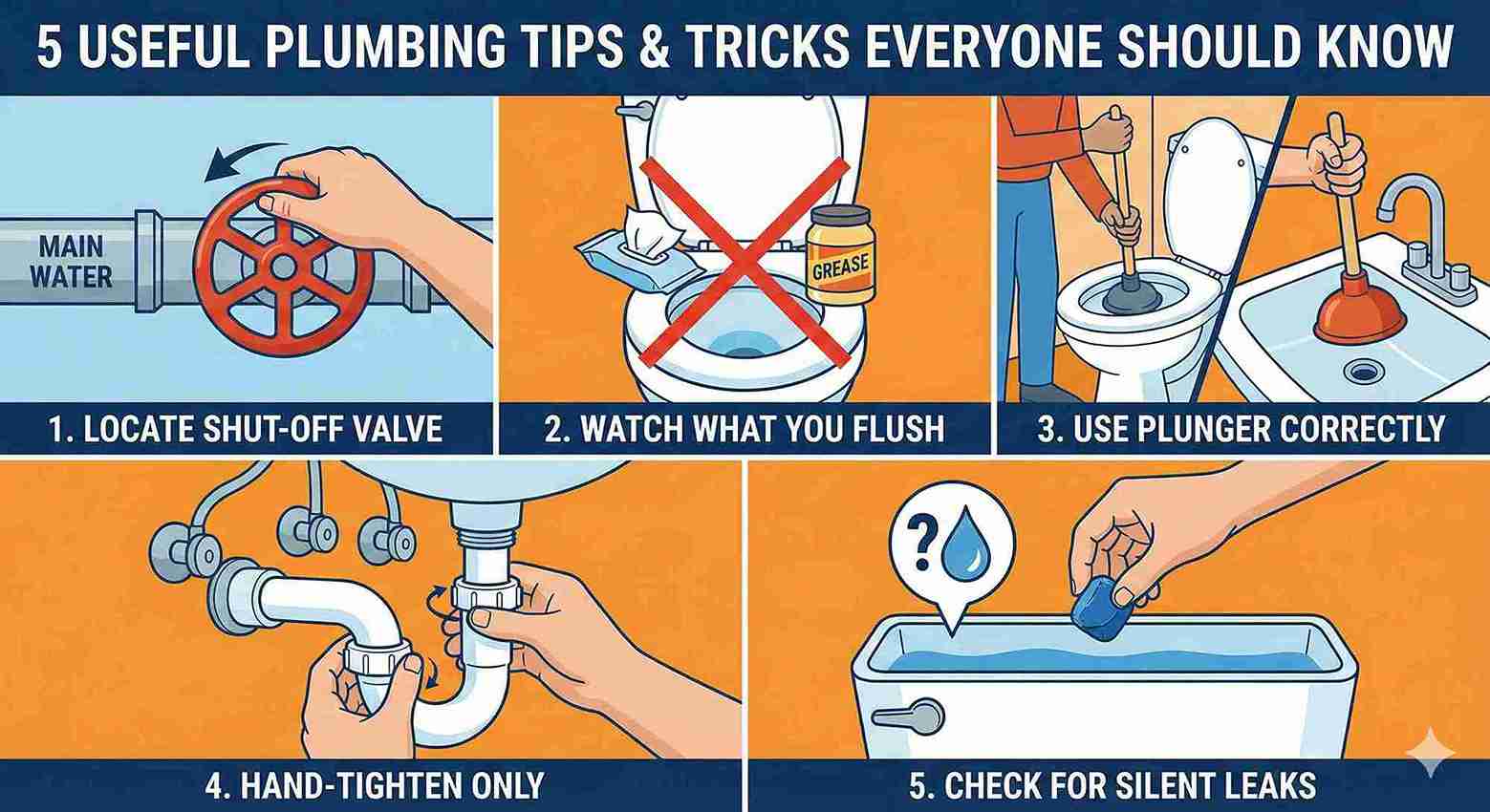
Most homeowners rarely think about their pipes until water is flooding the kitchen floor or the shower turns ice cold. Unfortunately, waiting for an emergency usually means paying for expensive repairs and dealing with messy water damage. The truth is that your home’s plumbing system needs regular care just like your car does.
You do not need to be a professional to prevent common disasters. By understanding a few fundamentals of preventative maintenance, you can save money on your monthly water bill and avoid stressful situations. Here are the most practical plumbing tips to help keep your home running smoothly.
1. Locate Your Main Water Shut-Off Valve Immediately
If a pipe suddenly bursts in your home, the very first thing you must do is stop the water flow. This is impossible if you do not know where the main shut-off valve is located. Every family member should know exactly where this “emergency brake” is to prevent a small leak from turning into a massive flood.
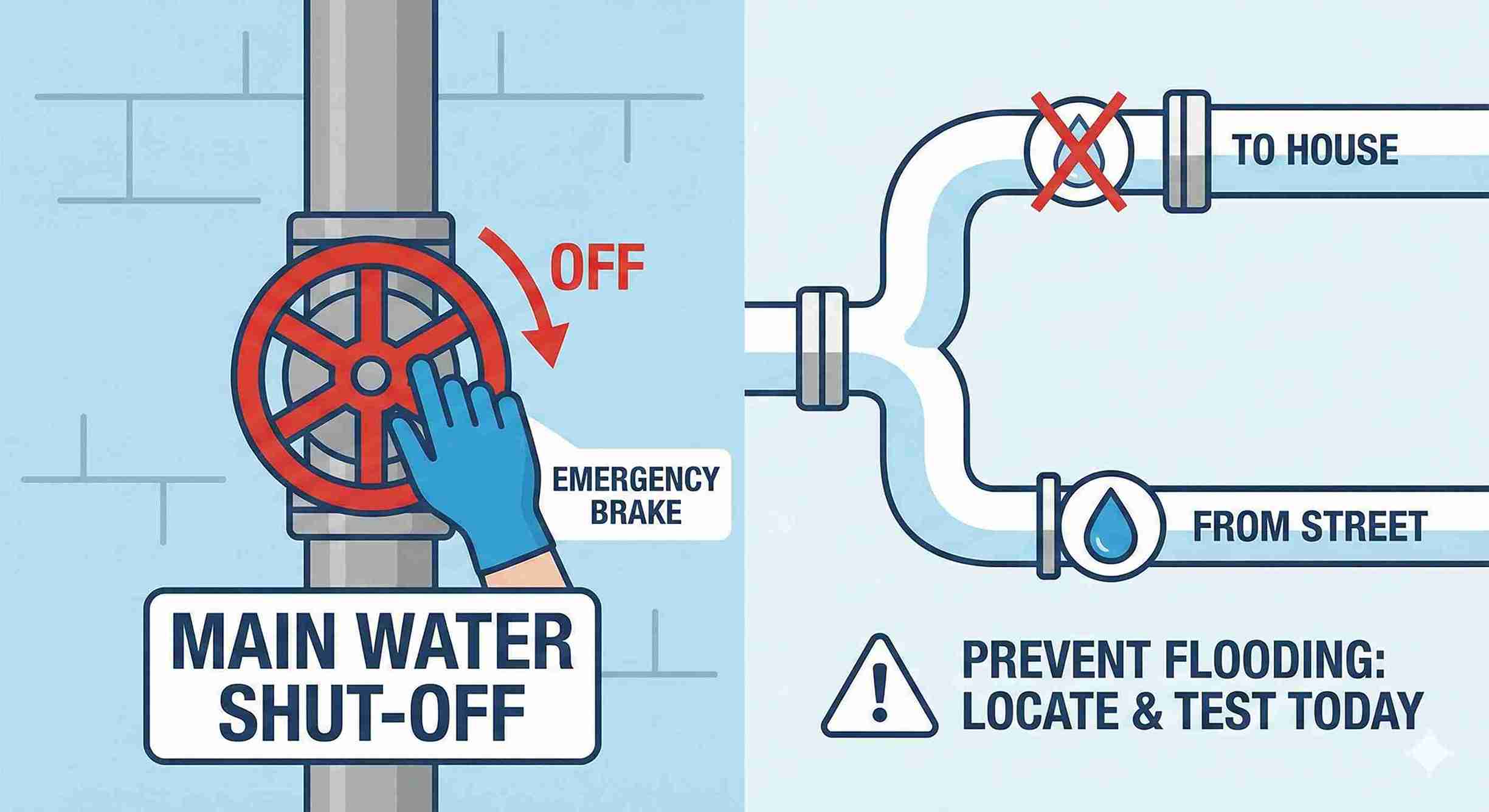
Take a moment to find this valve today. In many homes, it is located in the basement, a crawl space, or near the water heater. In warmer climates, you might find it outside in a covered box near the street. Once you find it, test it by turning it off and running a faucet to ensure the water actually stops. If the valve is stuck or difficult to turn, do not force it; contact a local plumber to replace it before you actually face an emergency.
2. Be Careful What You Flush and Pour
The most common reason people search for clogged drain repair is because of what they put down their pipes. In the kitchen, you must avoid pouring grease, oil, or coffee grounds into the sink. Grease may look like a liquid when it is hot, but it cools down inside your pipes and turns into a solid block that catches food scraps and creates stubborn clogs.
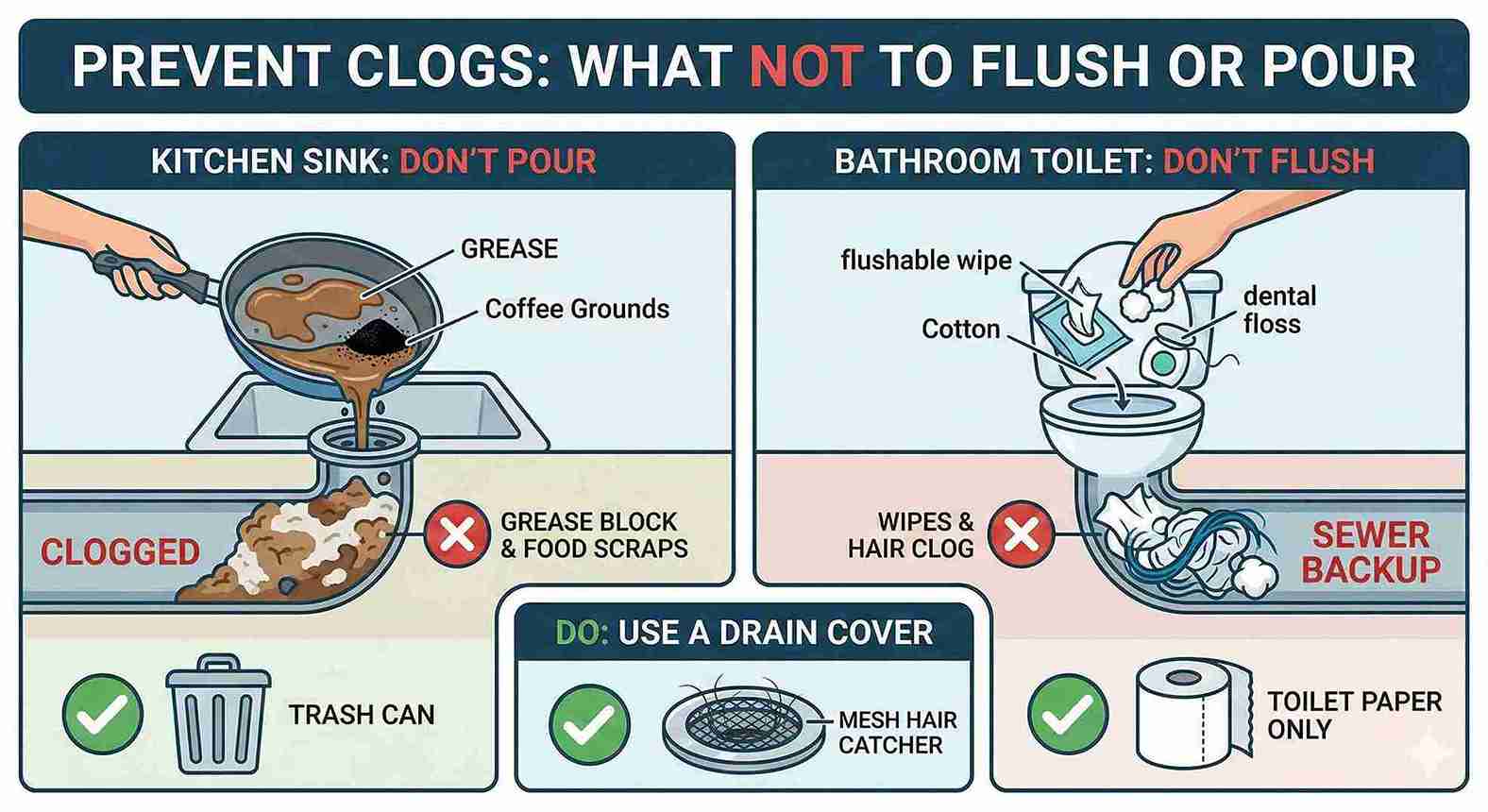
The same rule applies to the bathroom. Your toilet is not a trash can. Even products labeled as “flushable wipes” do not break down like toilet paper and are a leading cause of sewer line backups. To avoid expensive plumbing work, make sure only toilet paper and human waste go down the toilet. You should also consider using a simple mesh drain cover in the shower to catch hair, which is the number one cause of bathroom clogs.
3. Learn the Right Way to Use a Plunger
Many homeowners own a plunger, but very few know how to use it effectively. Simply pushing it up and down often isn’t enough to clear a tough blockage. To plunge a sink effectively, you first need to cover the small “overflow” hole near the rim of the basin with a wet cloth. This ensures that you create a vacuum seal rather than just pushing air out of the hole.
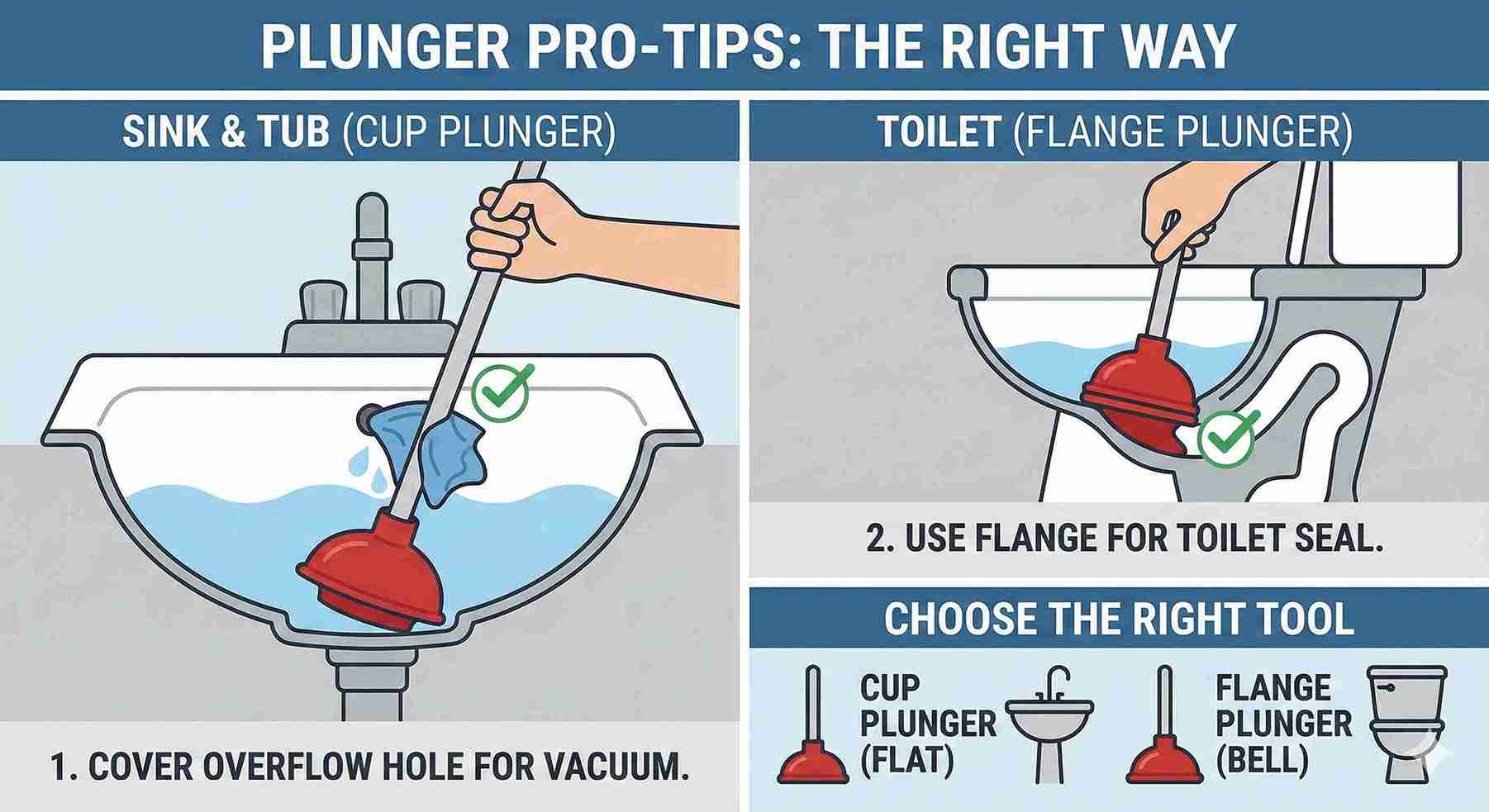
It is also important to know that there are different types of plungers for different jobs. A cup plunger with a flat bottom is designed for sinks and bathtubs, while a flange plunger with a bell shape is designed specifically to seal drain openings in toilets. Using the correct tool and technique can save you a call to a professional for minor clogs.
4. Follow the “Hand-Tight” Rule for DIY Fixes
If you decide to tackle a simple repair yourself, such as cleaning out the trap under your sink, you need to be gentle. A common mistake beginners make is overtightening the fittings. If you crank a nut too hard with a wrench, you risk cracking the porcelain of your toilet, stripping the plastic threads on the pipe, or crushing the rubber washers that are supposed to stop leaks.
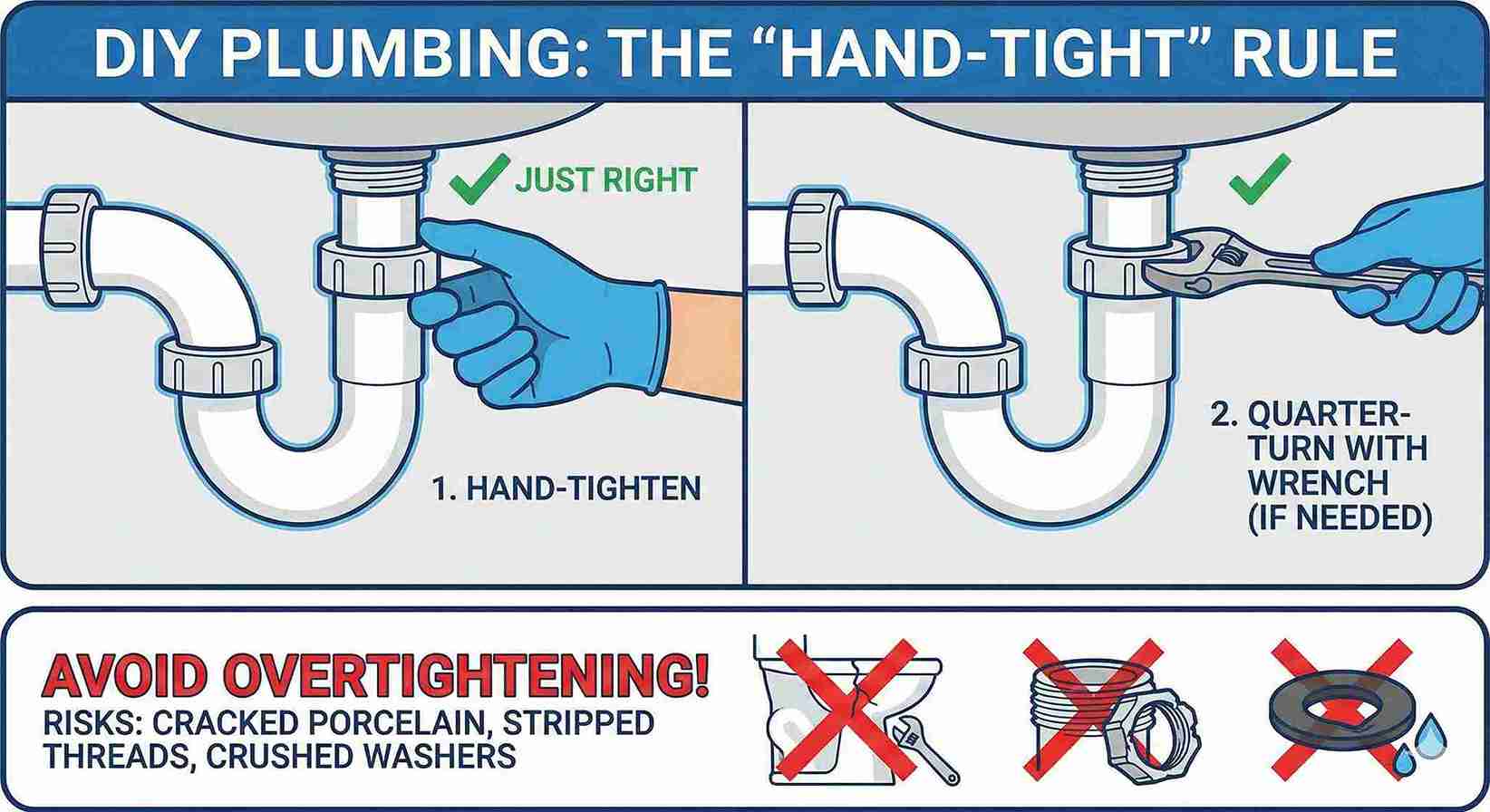
The golden rule for plumbing connections is that “hand-tight is just right.” You should tighten the connection as much as you can with your hand, and then give it just a tiny quarter-turn with a wrench if necessary. This ensures a watertight seal without breaking the delicate parts of your plumbing system.
5. Check for “Silent” Leaks to Save Money
While a dripping faucet is annoying and obvious, “silent” leaks are the ones that quietly hurt your wallet. A running toilet can waste up to 200 gallons of water every single day without leaving a puddle on the floor. These leaks are often caused by a worn-out flapper valve in the toilet tank.
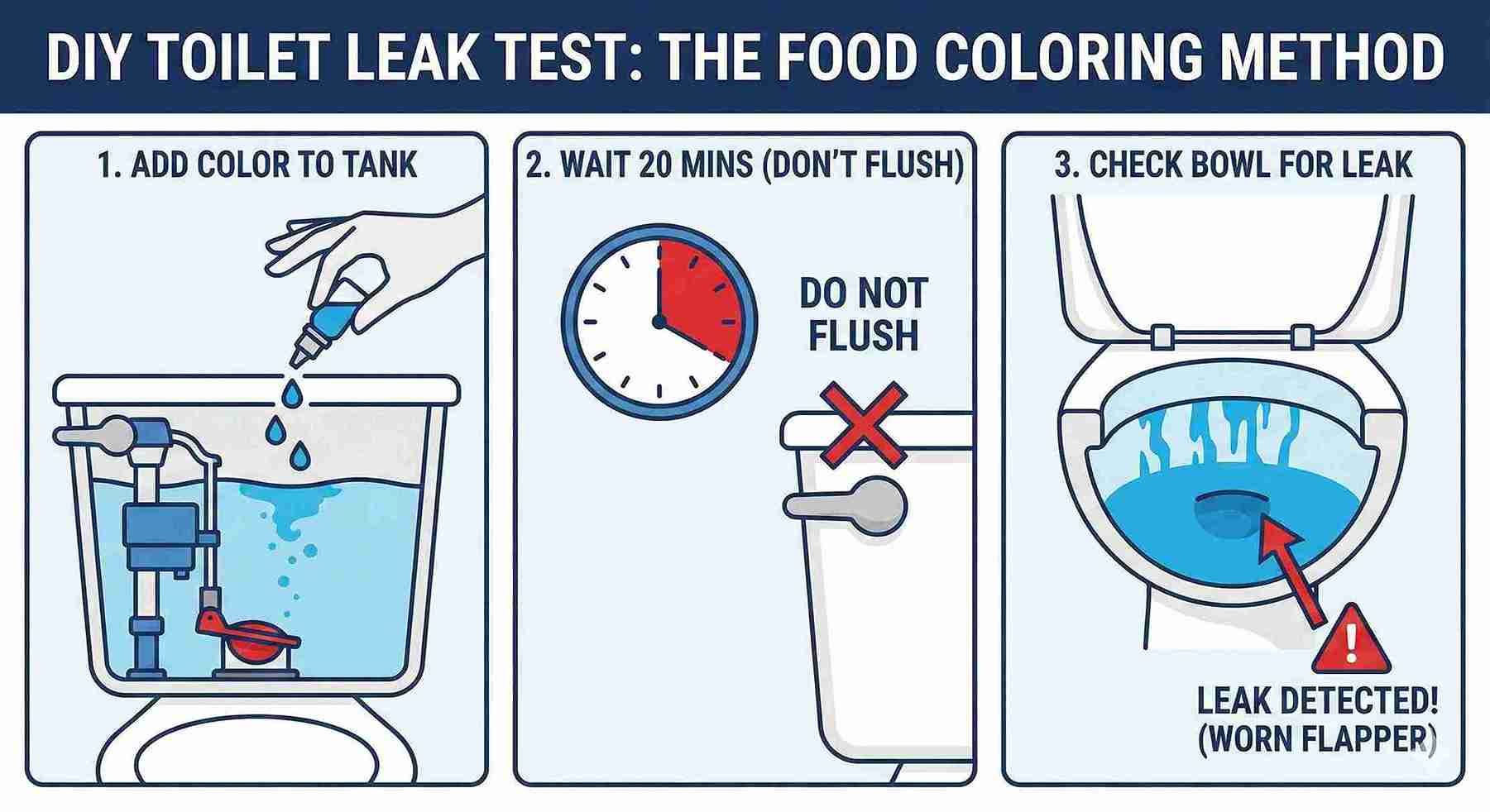
You can easily check for this issue with a simple food coloring test. Put a few drops of red or blue food coloring into the toilet tank and wait twenty minutes without flushing. If color appears in the bowl, you have a leak. Fixing this usually only requires a cheap replacement part, but it can save you hundreds of dollars on your water bill over the course of a year.
Need Professional Help?
Preventative care is the best way to protect your home, but some jobs require an expert touch. If you smell sewage, experience a sudden drop in water pressure, or cannot locate a leak, it is time to call for backup.
New Flow Plumbing is here to help you when DIY tips aren’t enough. Our expert technicians are available 24/7 to handle everything from sewer line repair to emergency leak detection. We focus on fixing the problem quickly and efficiently so you can get back to your normal routine. Contact us today if you need assistance with your home’s plumbing.

Arman Grigoryan
Founder & President of New Flow Plumbing
Arman Grigoryan is the founder and president of New Flow Plumbing, proudly serving Los Angeles, Sacramento, and surrounding areas. With extensive experience in plumbing diagnostics, he leads a skilled team specializing in advanced sewer and drain camera inspections to quickly identify problems and deliver lasting solutions. Arman is dedicated to using the latest technology to provide reliable service, honest answers, and dependable results for every customer.