
Do you have a gurgling sink when your toilet is flushed? This article has everything you need! First, we outline what causes your sink to gurgle, followed by the dangers of a gurgling sink, and lastly, four ways to fix the problem.
Table of Content:
What Causes A Gurgling Sink When Your Toilet Is Flushed?
Your sink is gurgling because something is stopping water or air from flowing through your pipes. Here are four reasons why your sink is gurgling.
1. You Have A Blocked Drain
The main reason your sink is gurgling is because you have a partially or completely blocked drain.
Partially blocked – If your water is draining slower than usual and the gurgling has just begun, your drain is partially blocked. Don’t let your drain stay blocked!
Completely blocked – If you don’t do anything about your partially blocked drain, it will soon become completely blocked. When water no longer drains down your sink or bathtub, your drain is completely blocked. What causes your drain to become blocked?
- Dirt
- Hair
- Dead skin
- Soap residue
- Clogged wipes
- Oils or grease
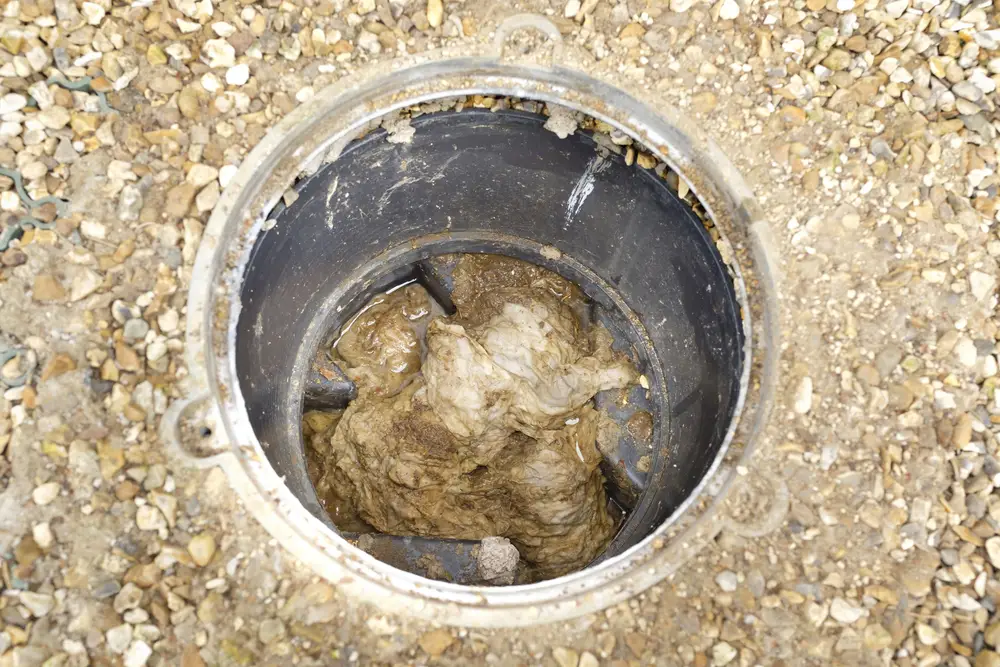
2. You Have A Blocked Sewer Line
All of your drain pipes connect to the main sewer line beneath your home. If more than one of your drains is clogged, you have a blocked sewer line. The main sewer line carries all your waste to the city sewer line or septic tank. What causes your sewer line to become blocked?
- Tree roots are inside your pipes.
- Your pipes are deteriorating and beggining to lose their structural integrity.
- Your soil is shifting and causing your pipes to break.
- Liquid fat is hardening inside your pipes.
- Drain cleaners with sulfuric acid are eating away at your pipes.
- Flushable wipes are clogging your lines.
- A toy got flushed and is blocking your pipe.
Read more about when your sewer line needs to be replaced.
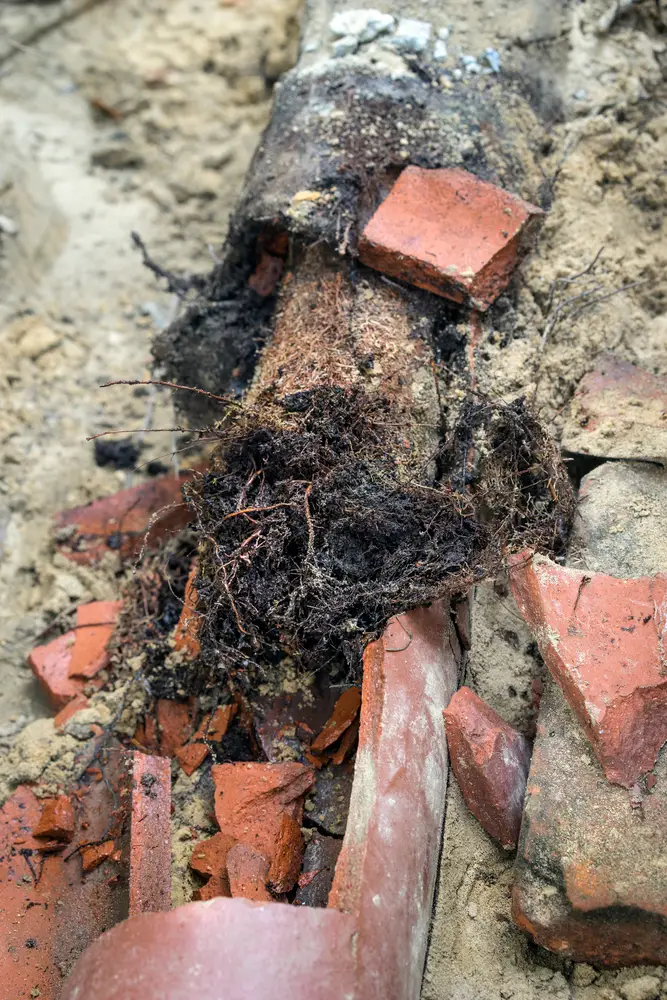
3. You Have A Blocked Vent System
Your drain and sewer pipes are connected to a vent pipe that exits through your roof. This vent allows air and gases to safely travel through your drains without disrupting the water flow. If your vent pipe is blocked, your plumbing system won’t function, and your sink will gurgle. What can block a vent pipe?
- Leaves
- Birds
- Small Animals
- Small branches
- Trash
- Tennis balls or baseballs
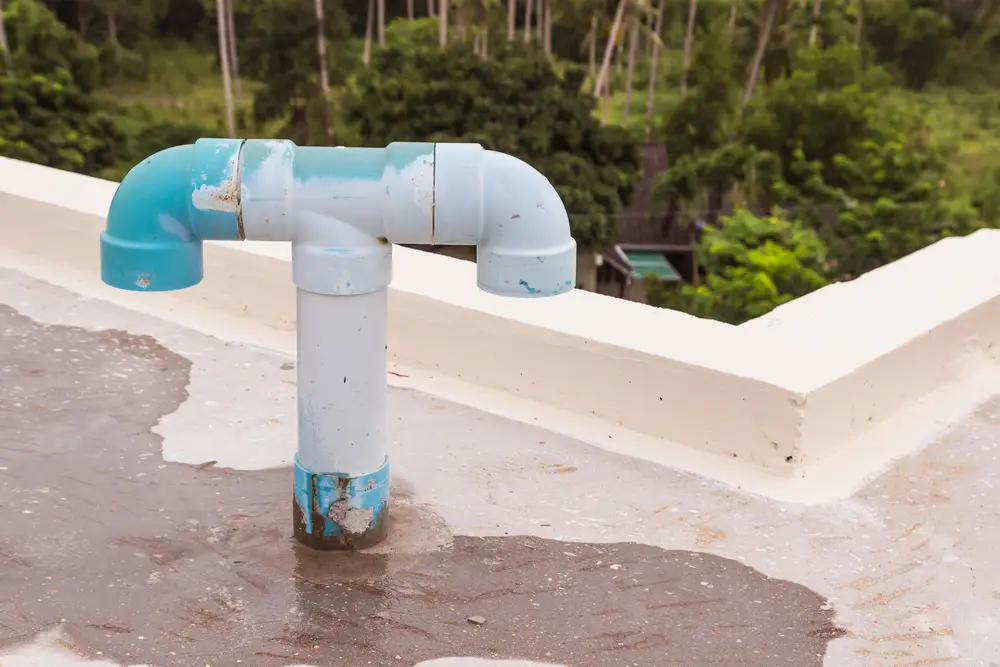
Dangers Of A Blocked Vent System
Vent pipes help regulate the air pressure throughout your plumbing lines. They also help remove gas and odors common with a plumbing system, allowing fresh air to circulate through your pipes. If your vent pipe is blocked, sewer gases will start to escape through your drains, spreading throughout your home. Smelling sewer odors can cause:
- Headaches
- Nausea
- Shortness of breath
- Drowsiness
- Heart palpitations

4. You Have A Damaged Or Blocked P-Trap
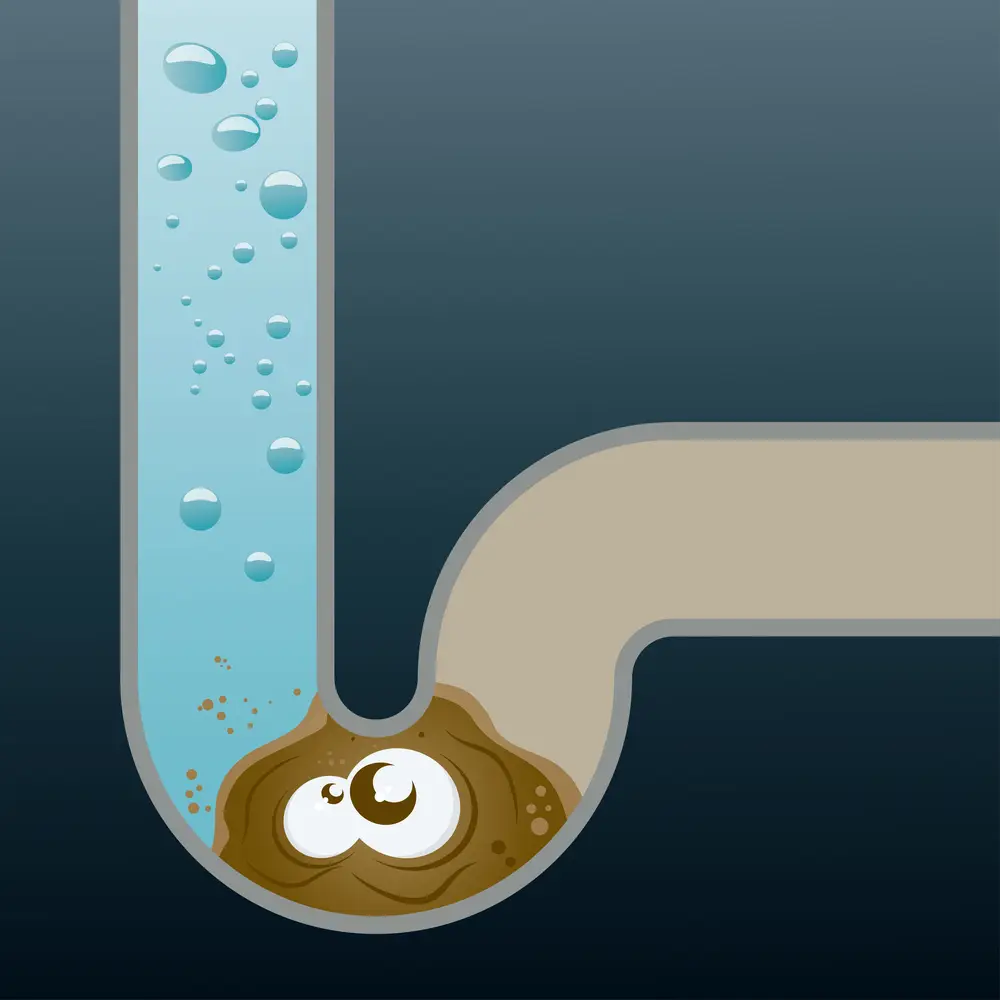
The P-trap is the curved, P-shaped pipe right underneath your sink. The P-trap creates a water seal that prevents sewer gas from coming out of your drains. Any sink in your home will have P-trap underneath it. If you smell sewage as you drain water down your sink, it’s time to replace your P-trap. If your P-trap is behind your wall, call a professional before you start cutting into drywall.
4 Ways To Fix A Gurgling Sink When Your Toilet Is Flushed
Here are four ways you can fix a gurgling sink.
1. Plunging The Sink
It’s time to get out your trusty plunger.
- First, plug the overflow drain in your sink.
- Second, place the plunger cup over the sink drain, creating a tight seal.
- Using firm pressure, push and pull the plunger vertically without breaking the seal.
- Plunge the drain for about 20 seconds.
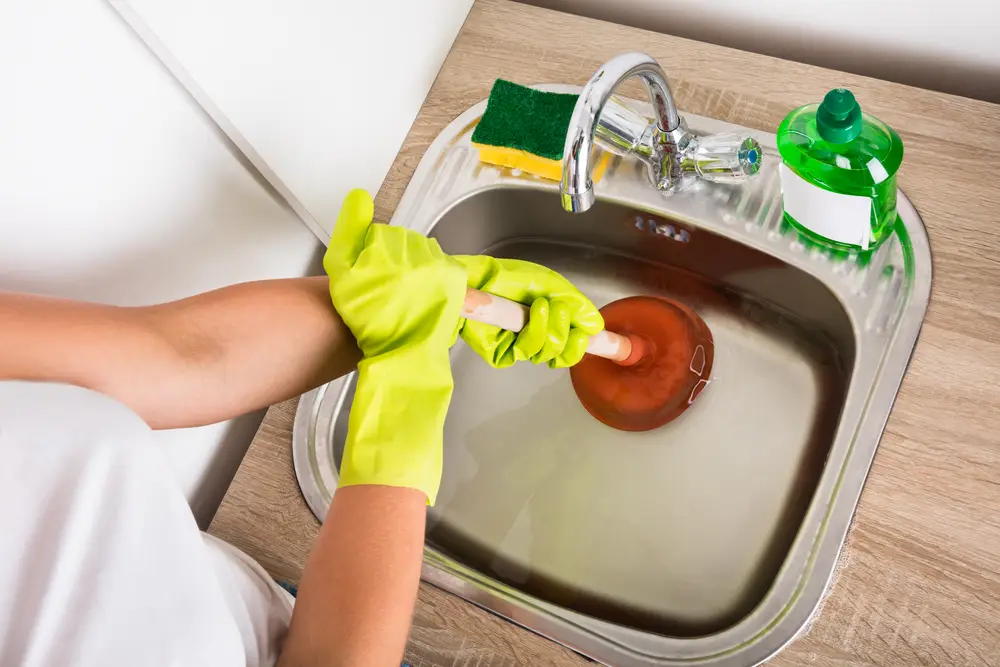
After you plunge the sink, plunge your toilet. If you can still hear gurgling, keep plunging or move on to the next step.
2. Cleaning The Roof Main Vent Stack
It’s very common for your vent stack to get filled with debris. If you don’t feel comfortable doing this method yourself, call a professional.
- Go up on your roof and find the pipe sticking out of your roof.
- Take a garden hose with you and begin to pour water down the vent. (You will need a second person to turn the hose on).
- Listen to hear if the water pushes the clog down the drain.
If the garden hose doesn’t work, you can use a sewer snake to pull out any clogs in the vent.
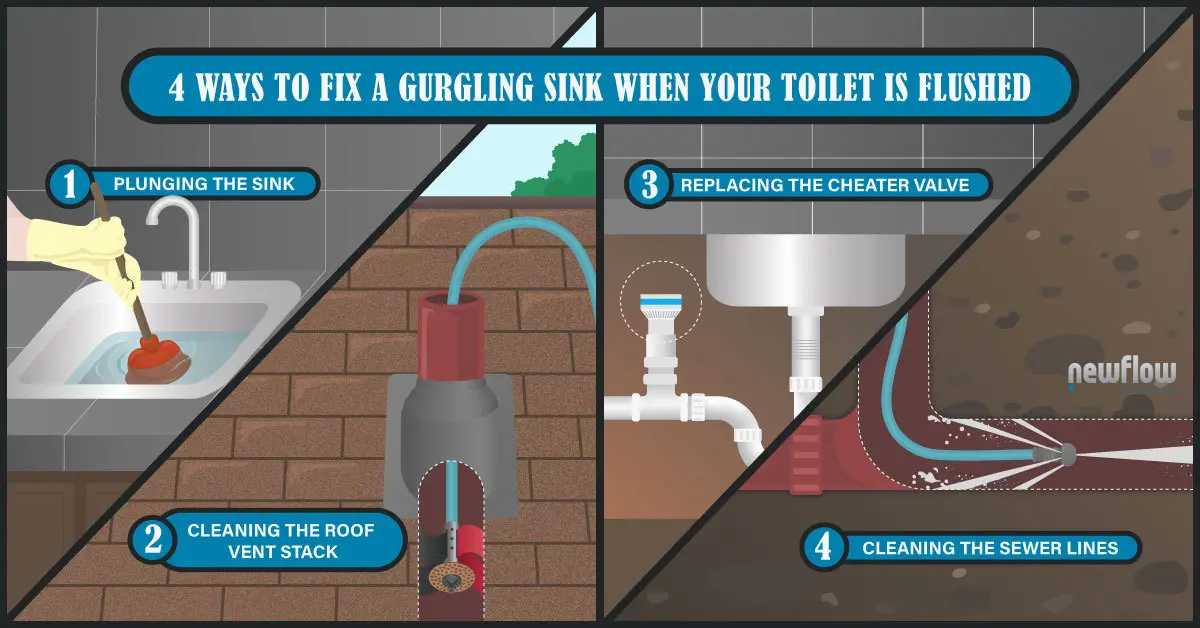
3. Replacing The Cheater Valve (Air Admittance Valve)
A cheater valve also called an air admittance valve, is a gravity-operated device that helps release negative air pressure. When water and waste move down a drain, it creates negative air pressure in the pipe. This negative pressure lifts the cheater valve and lets air inside the pipe, allowing waste to drain away freely. When the negative pressure stops, the cheater valve falls back into place.
Commonly found under your sink between the P-trap and the drain line, these valves can deteriorate over time and need replacement. All you have to do is unscrew the old one and replace it with a new one. Simple enough!
4. Cleaning The Sewer Lines
If the problem is a clog in your sewer pipes and none of the above solutions work, you can call a professional sewer repair specialist who can clean your pipes using hydro-jetting.
Hydro-jetting uses a self-propelled nozzle that shoots up to 4,000 PSI of water through your sewer lines. The pipes are accessed using a sewer line cleanout on your property. Whether you have tree roots or sludge clogging your sewer line, hydro-jetting uses specific nozzles for different obstructions.

Who To Call For Help
If you live in the Greater Los Angeles area and need professional help, call New Flow Plumbing. We’ll get you started with a CCTV sewer camera inspection to determine where your problems come from. Then, we give you a free repair estimate, followed by available repair options.
FAQs
Why does my sink gurgle when I flush the toilet?
When your sink gurgles after you flush the toilet, it’s usually due to a blockage or venting issue in your plumbing system. Negative air pressure pulls air through the sink drain, causing the gurgling sound.
Is a gurgling sink a plumbing emergency?
It depends on the severity. If you’re hearing gurgling from multiple drains or smelling sewer gas, it could signal a blocked sewer line or vent—both of which may require urgent attention.
How do I stop the gurgling sound in my sink?
You can try plunging the sink, cleaning the vent stack, replacing the air admittance valve (AAV), or hiring a professional to hydro-jet your sewer lines. The fix depends on the root cause.
Can a blocked vent pipe cause my sink to gurgle?
Yes. A clogged vent prevents proper air flow, leading to suction in the pipes that causes your sink to gurgle when water drains from nearby fixtures like the toilet.