Pipe lining typically costs between $80 and $250 per foot, which means most homeowners spend about $4,000 to $12,000 for a standard residential job. The final price depends on factors such as the length and diameter of the pipe, the overall condition of the existing line, and how accessible it is for technicians. Because pipe lining is a trenchless repair method, it often saves thousands compared to traditional pipe replacement by avoiding the need for heavy excavation and property repairs.
In this guide, you’ll learn what influences pipe lining costs, how it compares to replacement, and why many homeowners find it to be a cost-effective investment in protecting their property.
What Is Pipe Lining?
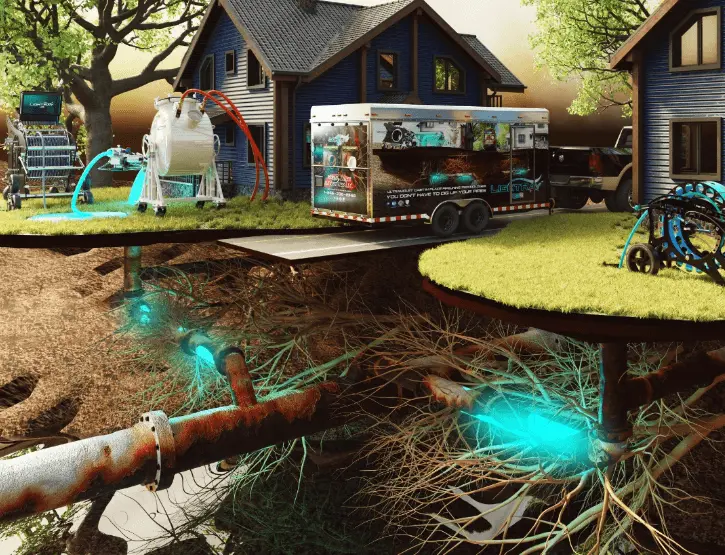
Pipe lining is a trenchless technology used to repair damaged or aging sewer lines, drain pipes, and sometimes even water pipes. Instead of digging up your entire yard, driveway, or flooring, specialists insert a new liner inside the old pipe. This liner hardens and creates a strong, smooth interior surface that restores flow and prevents future leaks or cracks.
Homeowners often search for pipe lining cost per foot or sewer pipe lining prices because it’s one of the most effective ways to fix broken pipes without the mess of excavation.
Average Pipe Lining Cost
While costs vary depending on your situation, most homeowners can expect pipe lining to cost between $80 and $250 per foot. For a full residential job, this usually works out to:
- Small repairs (10-20 feet): $1,000 to $5,000
- Medium-length pipes (30-50 feet): $4,000 to $12,000
- Full house sewer line replacement (50-100+ feet): $8,000 to $25,000 or more
Keep in mind these numbers are averages. Your actual cost could be higher or lower depending on the exact conditions of your pipes.
Factors That Affect the Cost of Pipe Lining
Several factors influence how much you’ll pay for pipe lining. The length and diameter of the pipe play a big role since longer, wider lines require more material and labor. The condition of the pipe also matters; minor cracks are easier to fix, while collapsed or root-filled pipes often need extra preparation, which raises costs. Accessibility can add to the price too. Pipes hidden under concrete or landscaping are more expensive to reach than those in open areas. Location and labor rates vary as well, with urban areas generally costing more than rural ones. Finally, the repair method used, such as cured-in-place lining, pipe bursting, or epoxy coating, can change the overall cost depending on the complexity of the project.
Pipe Lining vs. Traditional Pipe Replacement
A big reason people search for pipe lining cost vs. replacement is to understand which option saves money in the long run.
- Traditional replacement involves digging trenches, removing old pipes, and installing new ones. Costs range from $50 to $250 per foot, but when you add excavation, landscaping, and driveway or flooring repairs, the final bill can climb into the tens of thousands.
- Pipe lining is less disruptive and often cheaper overall. Even if the price per foot is similar, you avoid major restoration costs after the repair.
For most homeowners, pipe lining provides better value because it solves the problem without tearing apart your property.
Long-Term Value of Pipe Lining
When you’re thinking about how much pipe lining costs, it’s important to consider not just the upfront expense but the long-term benefits.
- Durability: Lined pipes can last 30-50 years.
- Fewer future repairs: The smooth new surface resists corrosion and root intrusion.
- Property protection: No need to dig up your lawn, driveway, or foundation.
- Increased property value: Buyers like knowing the sewer system has been modernized.
In many cases, the initial investment in pipe lining pays for itself by preventing expensive emergency repairs and property damage.
Signs You Might Need Pipe Lining
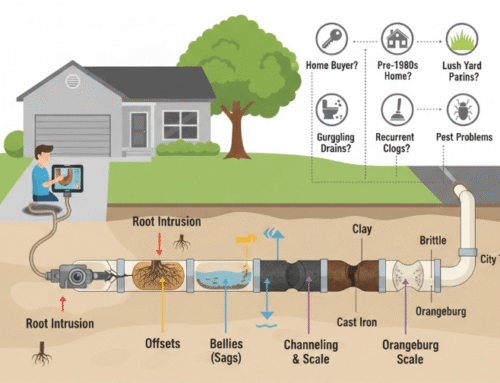
Most homeowners start looking into pipe lining costs after they notice troubling signs of pipe failure. These often show up as frequent drain clogs or drains that run noticeably slower than usual. Sewage odors may linger around the house or yard, and in some cases, wet spots or even small sinkholes can appear in the lawn. Inside the home, backups in sinks, toilets, or tubs are common red flags, along with unusual gurgling sounds coming from drains. When these symptoms appear, a sewer camera inspection is the best way to confirm the exact condition of your pipes and whether pipe lining is the right solution.
How the Pipe Lining Process Works
Understanding the process helps you see why costs vary. Here’s what typically happens:
- Inspection: A camera is used to check the condition of your pipes.
- Cleaning: Hydro jetting clears debris, grease, and roots.
- Liner installation: A resin-soaked liner is inserted into the old pipe.
- Curing: Hot water, steam, or UV light hardens the liner in place.
- Final check: A camera verifies that the new liner is smooth and watertight.
Each of these steps requires specialized equipment and skilled labor, which is why professional pipe lining isn’t cheap, but it’s highly effective.
How to Save Money on Pipe Lining
You can lower pipe lining costs by getting multiple quotes since prices often vary between contractors. Addressing problems early also helps, because once a pipe fully collapses, lining may no longer be an option. For bigger projects, financing plans offered by plumbing companies can make repairs more manageable. It’s also worth checking your homeowner’s insurance policy, as some cases of sudden damage may qualify for partial coverage.
Final Thoughts
So, how much does pipe lining cost? For most homeowners, the answer falls between $4,000 and $12,000, depending on the length, condition, and complexity of the project. While it may seem like a big investment, pipe lining offers long-lasting protection, prevents property damage, and usually costs less than digging up and replacing pipes the old-fashioned way.
If you’re weighing your options, think beyond the upfront cost. Consider the savings in time, disruption, and future repairs. By addressing pipe problems early and choosing pipe lining when it’s an option, you can protect your home and avoid the stress of emergency sewer failures.
FAQs

Arman Grigoryan
Founder & President of New Flow Plumbing
Arman Grigoryan is the founder and president of New Flow Plumbing, proudly serving Los Angeles, Sacramento, and surrounding areas. With extensive experience in plumbing diagnostics, he leads a skilled team specializing in advanced sewer and drain camera inspections to quickly identify problems and deliver lasting solutions. Arman is dedicated to using the latest technology to provide reliable service, honest answers, and dependable results for every customer.