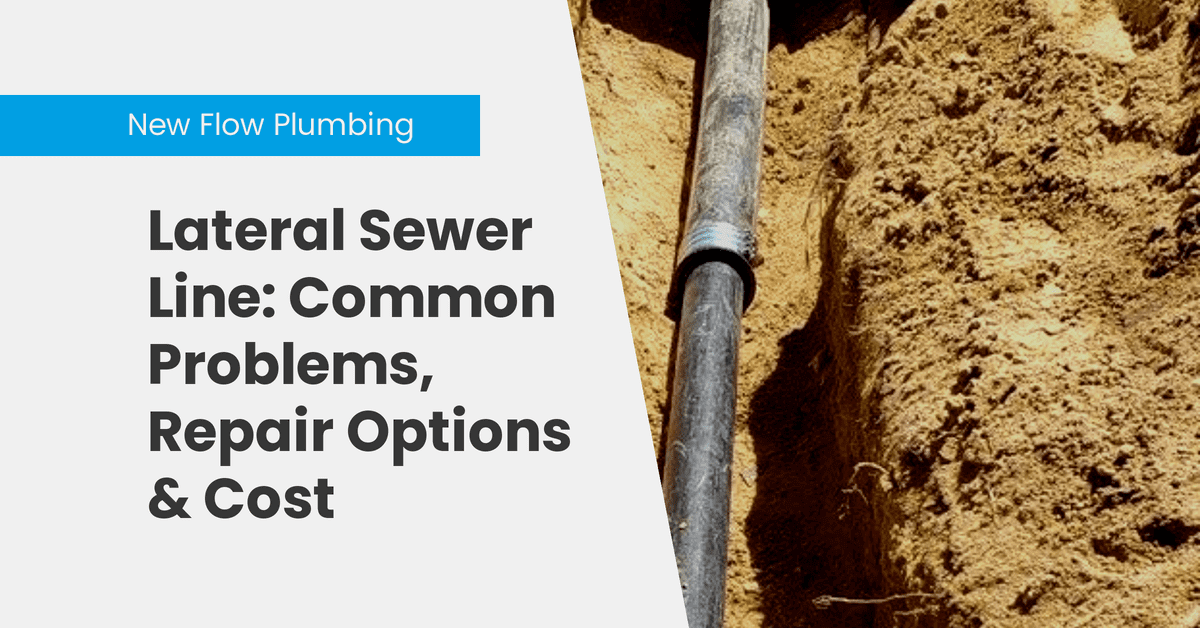
Your lateral sewer line connects your home to the city main. Learn about common problems like tree roots, trenchless repair options, and estimated costs to keep your plumbing flowing smoothly.
What is the Lateral Sewer Line?
The lateral sewer line connects your home plumbing to the city-owned main sewer line, usually running under the street. It carries waste and sewage that comes from your sinks, toilets, and showers to the sewer. The lateral sewer line is an essential part of your home’s functioning system.
80% of households are connected to the city sewer system, while 20% have septic tanks. Call your city’s municipal department to determine if your home connects to a sewer or a tank.
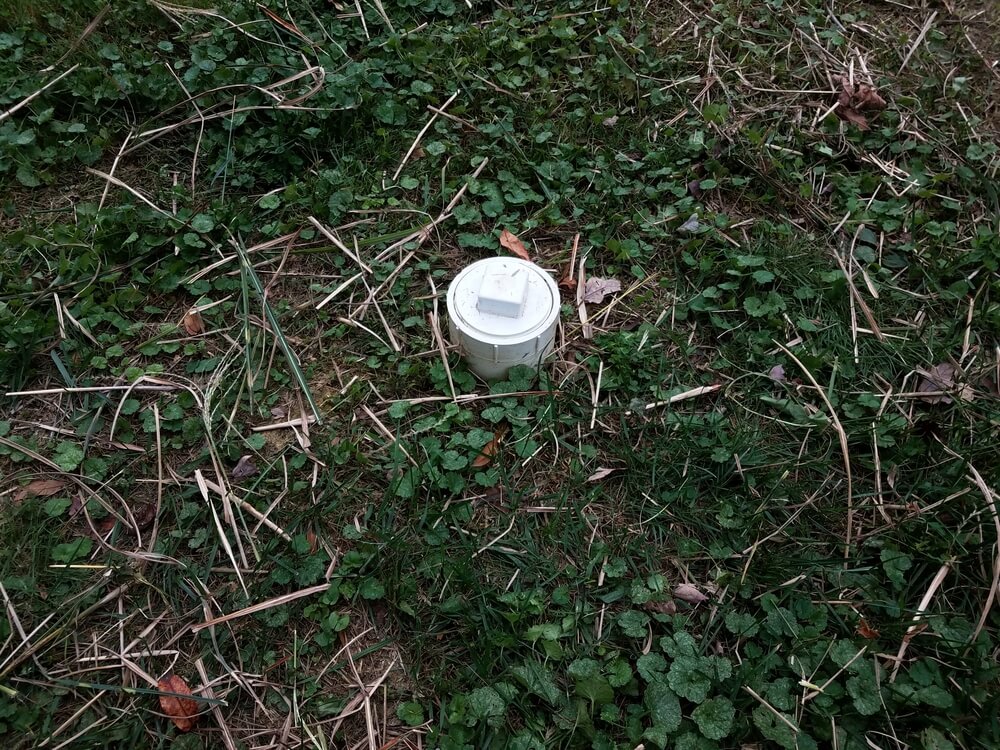
The lateral sewer line breaks up into two essential parts: Upper and Lower.
Upper Sewer Lateral – The upper lateral is the section of pipe that’s closest to your home. The upper starts from where your pipes leave your home to a cleanout at the sidewalk or property line. These lines run underneath your yard and foundation.
Lower Sewer Lateral – The lower lateral starts where the upper ends to the city-owned mainline. The lower is usually underneath the public road.
Note: If there is no cleanout where the upper lateral ends, the lateral sewer line is not usually considered split between upper and lower portions.
Common Problems that affect the Lateral Sewer Line
- Old Pipes – Old sewer lines made from cast iron or terracotta are more likely to fall apart or leak. Metals corrode and rust over time, while terracotta pipes are very susceptible to roots and leaks. Modern pipes are made with PVC, but the pipes used in homes built before the 70s are usually made from an outdated material.
- Soil Failure – Soil shifts around your property can cause pressure on the sewer lateral, causing them to crack, leak, and collapse. Soil can shift due to rain, floods, drought, freezing temperatures, and more.
- Tree Roots – Older trees on your property are bound to have long, invasive roots. They seek out nutrients, sensing pipes flowing with waste or water. The roots attack the joints where the pipes are their weakest. Once they’re inside, they drink and drink until the roots clog up your pipes.
- Clogs and Backups – Oil, grease, and fats tend to build up inside your pipes, shrinking the area waste can flow through. Things like “flushable” wipes, paper towels, too much toilet paper can build up at these sections where there is no room to escape. Only flush toilet paper and bodily waste down your toilets, and don’t dump grease down your sink.
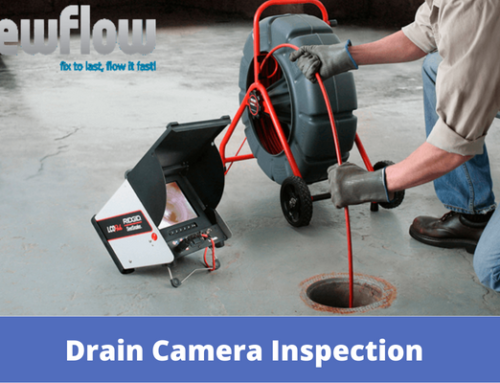
Your lateral sewer line is underground, so how are you going to be able to tell there’s a problem? If you notice that some trees are growing faster than others, or that grass is greener and more luscious in certain areas, you probably have a lateral sewer line issue. You may hear bubbling or smell foul odors coming from your toilet. To be sure, a CCTV sewer camera inspection can find the cause of the problem.
Repair Options for a damaged Lateral Sewer Line
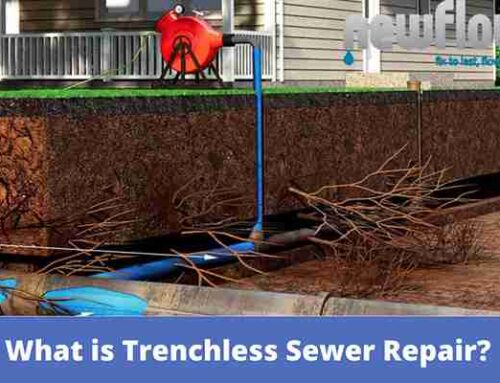
Trenchless Sewer Repair – As the name suggests, trenchless sewer repair involves no trenches or extreme digging. Your lines are restored without tearing up your yard, only requiring one or two access points. Pipe Lining creates a new pipe within your old one using an epoxy liner. Plumbers can line your entire sewer pipe or just a small section where the problem seems to be occurring. Pipe Bursting, another form of trenchless sewer repair, pushes a new pipe through your old one, breaking it apart and replacing it altogether. Pipe bursting is more of a replacement method but can give you a new, more robust lateral sewer line than before.
Read also: How Does Trenchless Sewer Repair Work

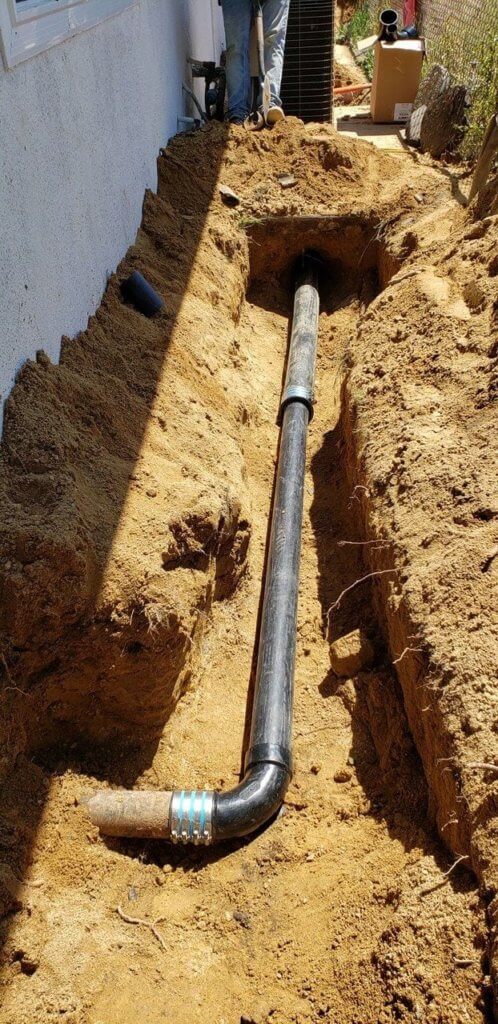
Conventional Repair
Read more about: Benefits Of Replacing Cast Iron Pipe With PVC
Cost to repair a Lateral Sewer Line
1. Trenchless Sewer Repair: Pipe Lining – $80 to $250 per linear foot. The price depends on various factors, such as the condition of the pipe, ease of navigation, the amount of cleaning needed before the lining, and the accessibility of the pipe. The total prices depend on how much pipe is replaced; for example, 30ft of pipe at the median cost of $165 will be $4,950.
2. Trenchless Sewer Repair: Pipe Bursting – $60 to $200 per linear foot. Pipe bursting can replace 600ft+ of pipe. For example, 30ft of pipe at the median cost of $130 will be $3,900. Pipe Bursting is usually cheaper than Pipe Lining.
3. Conventional Sewer Repair – $50 to $450 per linear foot. The price to install brand new pipes throughout your home or yard could run to $15,000 because of all the extensive work, such as trenching and excavation.
Lateral Sewer Lines in greater Los Angeles
If you have issues with your sewer lines, call New Flow Plumbing today! We’ll get you started with a CCTV sewer camera inspection to determine where your problems come from. Then, we give you a free repair estimate, followed by available repair options. Whatever the issue, New Flow Plumbing will have your lateral sewer lines running perfectly again.
FAQs

Arman Grigoryan
Founder & President of New Flow Plumbing
Arman Grigoryan is the founder and president of New Flow Plumbing, proudly serving Los Angeles, Sacramento, and surrounding areas. With extensive experience in plumbing diagnostics, he leads a skilled team specializing in advanced sewer and drain camera inspections to quickly identify problems and deliver lasting solutions. Arman is dedicated to using the latest technology to provide reliable service, honest answers, and dependable results for every customer.