If your home was built before the 1980s, there is a good chance you have cast iron drain pipes. While durable, these pipes have a lifespan of about 50–75 years, meaning many are now reaching the end of their service life.
Cast iron pipes corrode, crack, and clog over time, leading to backups, sewer odors, and potential foundation damage. If you are noticing these signs, you need a long-term solution. The three main ways to replace cast iron drain pipes are Trenching, Pipe Lining, and Pipe Bursting. Each method works differently, and the right choice depends on the condition of your existing pipes.
In this guide, we break down these methods, compare their pros and cons, and provide detailed cost estimates so you can make the best decision for your home.
7 Signs Your Cast Iron Pipes Are Failing
You may not always see the damage directly, but your home will often give you warning signs. If you notice any of the following, it is time to call a specialist.
Read also: Sewage Backup Health Risks
-
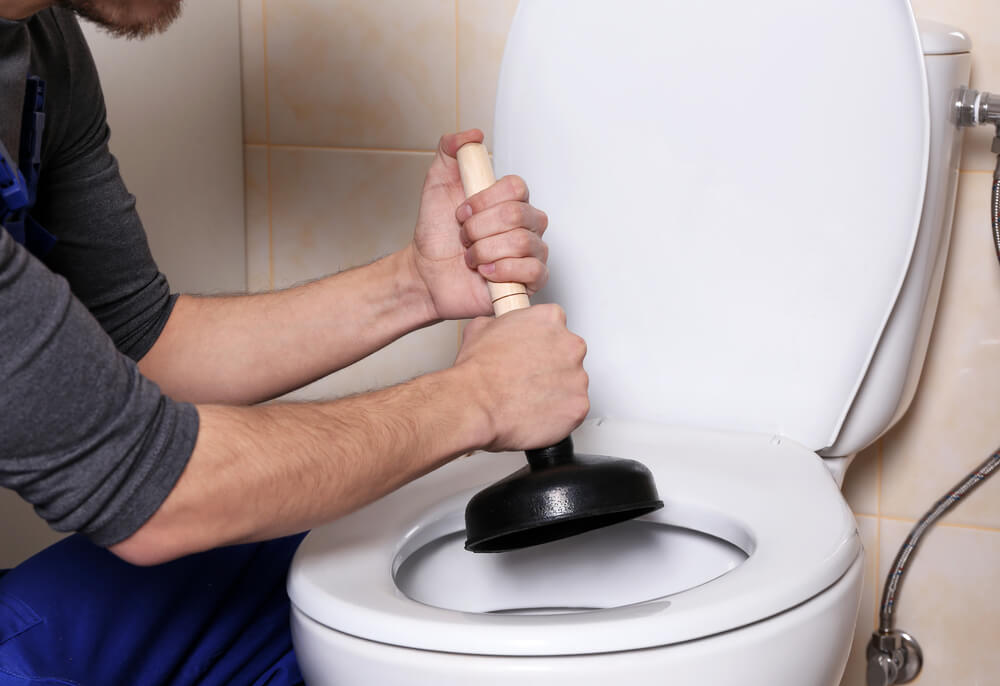
Constant Backups: If you experience frequent backups in multiple fixtures (toilets, sinks, and showers simultaneously), the main drain pipe connecting them is likely faulty or collapsed.
-
Sewer Odor: A healthy drain system is airtight. If you smell sewage or “rotten eggs” inside your home, your pipes likely have cracks allowing gas to escape.
-
Mold & Water Damage: Leaking sewage creates hidden moisture pockets behind walls or under flooring. This damp environment is the perfect breeding ground for dangerous mold.
-
Slow Drains: A slow drain often indicates a blockage, but in older cast iron pipes, it can signal channel rot (where the bottom of the pipe has rusted away) or jagged edges catching debris.
-
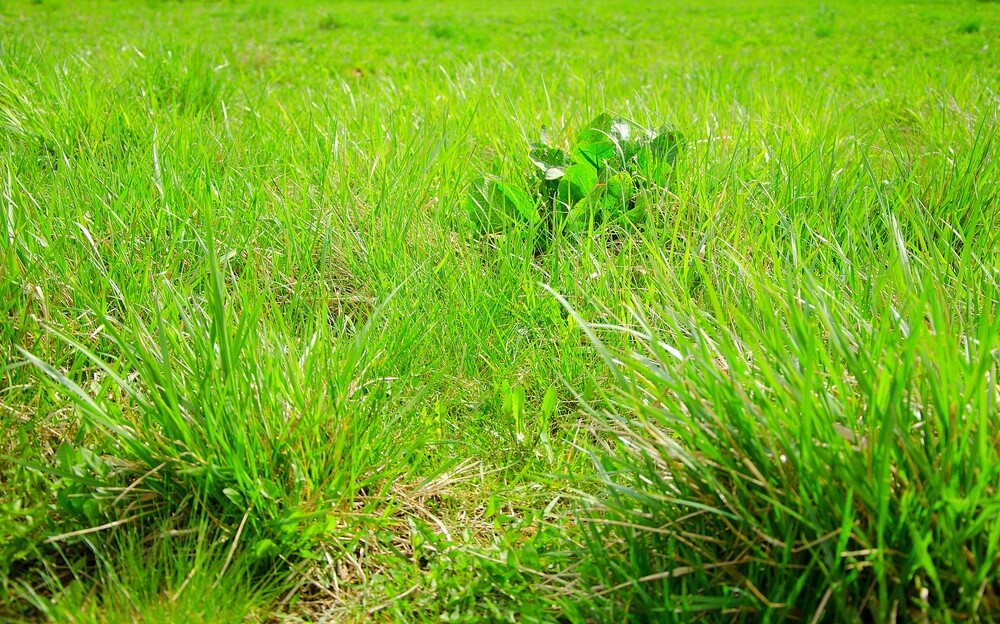
Unusually Green Grass: If sewage is leaking into your yard, it acts as a fertilizer. You may notice patches of grass that are much greener and taller than the rest of the lawn.
-
Foundation Cracks: Leaking water causes soil to expand and contract. Over time, this shifting soil can cause your home’s foundation or slab to crack.
-
Pest Infestations: Rats and roaches can squeeze through surprisingly small cracks in sewer lines. If you have a recurring pest problem despite pest control efforts, they may be entering through your drains.
Why Do Cast Iron Pipes Fail?
Corrosion & Rust: Cast iron rusts when exposed to water and oxygen. Over decades, the bottom of the pipe often rusts out completely (a condition called “channel rot”).
Tree Roots: Roots seek out moisture and nutrients. They can invade old cast iron pipes through weak joints or cracks, growing inside until they completely block the flow.
Chemical Damage: Frequent use of chemical drain cleaners can accelerate corrosion, eating away the metal from the inside out.
Soil Shifting: Seismic activity or simple soil settling can put pressure on rigid cast iron pipes, causing them to snap or shear.
The 3 Best Methods to Replace Cast Iron Pipes
1. Pipe Lining (Trenchless CIPP)
Best for: Cracks, leaks, and preserving flooring/landscaping.
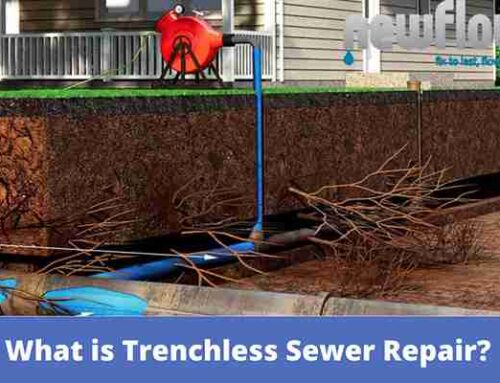
Also known as Cured-In-Place Pipe (CIPP), this method involves inserting an epoxy-saturated liner into the existing pipe. The liner is inflated and cured, creating a brand-new, seamless pipe inside the old one.
Pros: Minimal digging; preserves expensive flooring and driveways; usually completed in one day.
Cons: Reduces the pipe diameter slightly (by about ¼ inch); cannot fix pipes that are fully collapsed or have a “belly” (incorrect slope).
2. Pipe Bursting (Trenchless)
Best for: Severely damaged pipes or when you need to increase pipe flow.
Pipe bursting involves pulling a steel bursting head through the old pipe. As it moves through, it breaks apart the old cast iron while simultaneously pulling a new High-Density Polyethylene (HDPE) pipe into place behind it.
Pros: Replaces the pipe completely rather than just lining it; can maintain or even increase the pipe diameter; the new HDPE pipe is incredibly durable (50+ year lifespan).
Cons: Requires digging two access pits (one at the start and one at the end); costs slightly more than lining.

3. Traditional Trenching (Excavation)
Best for: Collapsed pipes, back-pitched pipes, or accessible outdoor lines.
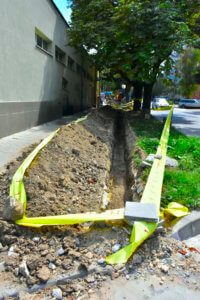
Sometimes, trenchless technology isn’t an option. If your sewer line has a “belly” (a sag where water pools) or is back-pitched (slopes the wrong way), trenching is the only way to re-grade the soil and install the pipe correctly.
Pros: Allows plumbers to physically correct the slope of the pipe; typically lower upfront plumbing costs than trenchless methods.
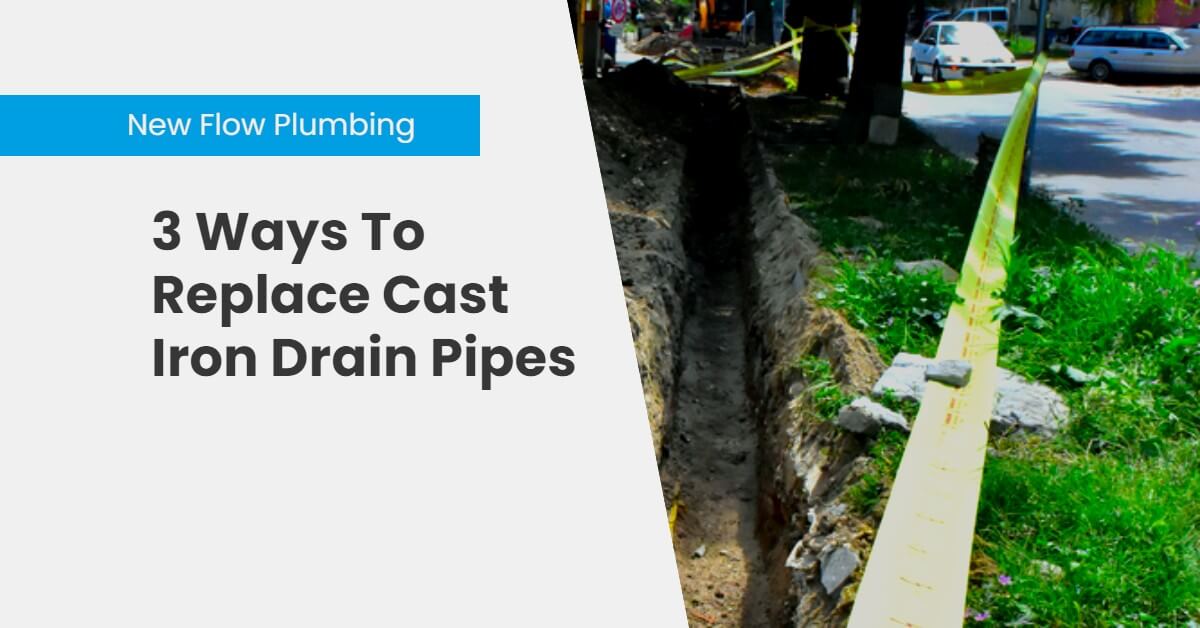
Cons: Highly destructive to landscaping, driveways, and flooring; remedial costs (fixing the floor/lawn) often make the total project more expensive than trenchless options.

Comparison: Which Method is Right for You?
| Method | Best Use Case | Estimated Lifespan | Impact on Property |
|---|---|---|---|
| Pipe Lining | Leaks, cracks, & root intrusion | 50+ Years | Low (No trench required) |
| Pipe Bursting | Severely damaged or undersized pipes | 50-100 Years | Medium (2 small pits required) |
| Trenching | Collapsed pipes or bad slope | 50-100 Years | High (Significant digging) |
How Much Does It Cost to Replace Cast Iron Pipes?
The cost of sewer line replacement varies based on depth, length, and accessibility, but here are the typical market averages:
Cost Per Foot: You can expect to pay between $60 and $250 per linear foot, depending on the method used.
Trenchless Lining: Typically costs $80–$150 per foot.
Traditional Trenching: Often costs $50–$200 per foot for the plumbing alone, but remember to factor in the cost of repairing your torn-up floors or driveway.
Project Minimums: Most contractors have a base cost for mobilization and permitting, meaning even small repairs often start around $3,500–$4,000.
Note: While trenchless methods may seem more expensive upfront, they often save thousands of dollars by avoiding the need to replace tile, hardwood, or concrete driveways.
Who Can Replace Cast Iron Pipes In Greater Los Angeles?
Cast iron replacement is complex work that requires specialized licensing and equipment. If you are seeing signs of backups or slow drains, you need an expert diagnosis, not just a guess.
New Flow Plumbing specializes in trenchless sewer repair for the Greater Los Angeles area.
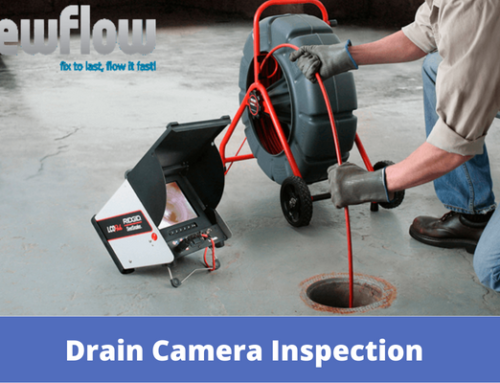
We start every project with a CCTV sewer camera inspection to pinpoint the exact location and nature of the damage. Based on the footage, we provide a clear, honest assessment and a free estimate for the repair method that makes the most sense for your home and budget.
Need your sewer lines running perfectly again? Contact New Flow Plumbing today for a free quote.
FAQs

Arman Grigoryan
Founder & President of New Flow Plumbing
Arman Grigoryan is the founder and president of New Flow Plumbing, proudly serving Los Angeles, Sacramento, and surrounding areas. With extensive experience in plumbing diagnostics, he leads a skilled team specializing in advanced sewer and drain camera inspections to quickly identify problems and deliver lasting solutions. Arman is dedicated to using the latest technology to provide reliable service, honest answers, and dependable results for every customer.