The most common causes of a main sewer line clog are tree root infiltration, accumulated grease and oil, and flushing non-degradable items such as “flushable” wipes or hygiene products. In older properties, the blockage is often structural, resulting from corroded cast iron pipes, cracked terracotta lines, or shifting soil that collapses the pipe.

If you are experiencing frequent backups, understanding the source of the blockage is the first step toward a permanent fix. Below, we break down exactly how these factors damage your plumbing and how to identify them.

What Is The Main Sewer Line?

The main sewer line is the pipe that runs underneath your home, connecting all of your drain lines, carrying waste to the city connection. The sewer line is split into parts: the upper and lower laterals.

Upper Sewer Lateral -These pipes typically run under your yard and foundation. The upper lateral begins below your foundation and ends at a cleanout near your sidewalk or property line.

Lower Sewer Lateral – The lower lateral starts where the upper ends and connects to the city-owned sewer line. These lines run under the public road.

Don’t confuse the main sewer line with the city-owned sewer line. The main sewer line (containing the upper and lower lateral sections) runs under your property and is your responsibility to repair. While the sewer line that runs under the public road is the city’s responsibility to repair.

Check out more about – Signs of a collapsed sewer line.

What Causes My Main Sewer Line To Clog?

Below are the main reasons sewer lines clog.
  • Tree Roots – Tree roots can infiltrate your sewer line through joints or cracks in the pipe.

  • Cast Iron Pipes – Homes built before the 70s are usually made with cast iron pipes. Although cast iron is a strong material, it still rusts and corrodes over time.

  • Terracotta Pipes – Terracotta pipes are made out of clay-based ceramic. Contractors used terracotta pipes because the material was widely available. However, builders failed to realize that the clay is very susceptible to roots and leaks.

  • Soil Failure – If your soil shifts, it can induce pressure on your sewer line, causing the pipe to crack, leak, and collapse. Soil can shift due to rain, flooding, drought, freezing temperatures, and more.
  • Grease – Do not pour cooking oil, fats, or grease down your drains. The liquid fat hardens when it dries, sticking to your pipes.
  • Flushable Wipes – Do not flush “flushable” wipes down your toilet. Flushable only means that your toilet can flush the wipes. Toilet paper is made to disintegrate inside your sewer line, while baby wipes will remain intact, creating a clog.

    Let’s take a look this post – Where is the main sewer line in your house.

Flush Toilet close up shot for background

Other Items You Should Not Flush

Do not flush anything on this list!

  • Facial tissues

  • Baby wipes

  • Disinfectant wipes

  • Moist wipes
  • Toilet bowl scrub pads

  • Swiffer’s

  • Napkins

  • Paper towels

  • Dental floss

  • Feminine products

  • Food

  • Q-tips

  • Medicine or pills

  • Hair

  • Toilet paper cardboard rolls
  • Diapers

What Should I Flush Down My Sewer Line?

You should only flush a moderate amount of toilet paper (because even too much can clog a drain) and human waste. Do not flush anything else down your sewer lines. The cost to repair a clog could reach thousands of dollars.
Close-up Of A Person's Hand Using Toilet Paper

How To Clean A Clogged Sewer Line

If the only issue you have is a clogged sewer line, plumbers will recommend a sewer cleaning solution, such as hydro-jetting. Hydro-jetting uses a self-propelled nozzle that shoots up to 4,000 PSI of water, clearing away any debris. The pipes are accessed using a sewer line cleanout on your property. Whether you have tree roots or sludge clogging your sewer line, hydro-jetting uses specific nozzles for different obstructions.

How To Fix A Damaged Sewer Line

If your sewer line clog is fixed but the problem persists, you might need sewer repair. Luckily for you, we have the best solutions for fixing a damaged sewer line.

Pipe Lining (Trenchless)

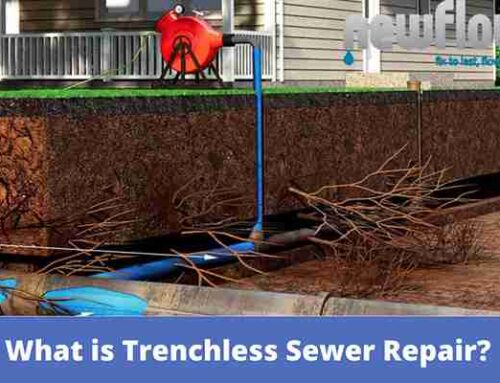
Pipe lining is a trenchless sewer repair method that can safely replace your sewer line without digging up floors. A CCTV sewer camera inspection will determine if your pipes qualify for trenchless repair methods.

The process begins when an epoxy-impregnated liner is inserted into the old pipe and inflated, creating a new pipe inside the old one. Pipe lining can be considered replacement or repair depending on whether the whole pipe length will be lined or just a section. If only a section of pipe (a spot repair) is lined, it is considered a repair. If you line the entire sewer line, it is like getting a brand new pipe installed (aka replacement).

Pipe Bursting (Trenchless)

Pipe bursting is where a new HDPE (high-density polyethylene) pipe is attached to a winch with a cone-shaped bursting head and pulled through the damaged line. The damaged pipe breaks apart as the new one takes its place, giving you a durable, brand-new sewer line.

Conventional Trenching

If a sewer pipe is highly damaged, you will have to replace the pipe using traditional trenching methods. A sewer line must be sloped toward the city connection, allowing gravity to move sewage down the line. If contractors installed the pipe using the wrong slope, the waste begins to flow toward your home. These types of pipes are considered back-pitched, and trenchless technology does not work on back-pitched pipes.

Traditional methods involve digging up your yard and trenching through your home. The procedures are invasive, but trenching is the only solution for collapsed, disintegrated, or back-pitched pipes.

Who Can Repair A Sewer Line Clog?

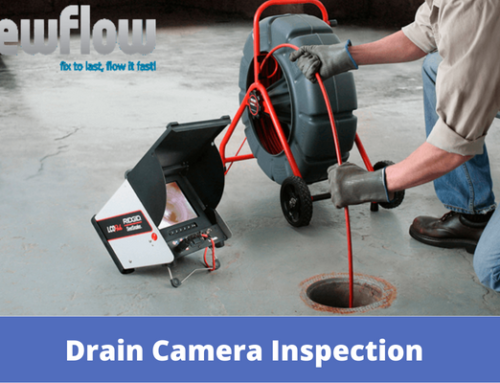
It’s time that New Flow Plumbing comes in to save the day. We’ll get you started with a CCTV sewer camera inspection to determine where your problems come from. Then, we give you a free repair estimate, followed by available repair options. Whatever the issue, New Flow Plumbing will have your plumbing running perfectly again.

FAQs

Clogs generally stem from tree root infiltration, grease buildup, or flushing non-degradable items like wipes. Structural material is also a factor; homes built before the 1970s often use cast iron, which rusts, or Terracotta (clay-based ceramic), which is highly susceptible to root intrusion. Additionally, soil failure caused by rain, drought, or freezing can shift the ground, causing pipes to crack or collapse under pressure.

The homeowner is responsible for the entire main sewer line, including the “Upper Lateral” (under the foundation/yard) and the “Lower Lateral” (under the public road connecting to the city main). The city is only responsible for the municipal line itself. Do not confuse the lower lateral running under the street with the city’s pipe; if the lateral connects to the city main, that connection and the pipe leading to it are your responsibility to fix.

No. “Flushable” only means the item can physically leave the toilet bowl; it does not mean it disintegrates like toilet paper. Wipes remain intact and trap other debris. You must also avoid flushing facial tissues, paper towels, dental floss, feminine products, and hair. The only things that should enter your sewer line are human waste and a moderate amount of toilet paper to avoid costly repairs.

Hydro-jetting is the industry standard for non-invasive cleaning. It utilizes a self-propelled nozzle inserted through a property cleanout that blasts water at 4,000 PSI. This high pressure is strong enough to scour away grease sludge and cut through tree roots. Professional plumbers use specific nozzles depending on whether the obstruction is solid debris or soft sludge.

Pipe lining creates a “pipe within a pipe” using an epoxy-impregnated liner that is inflated and cured inside the old line. This method is versatile; it can be done as a “spot repair” for a specific section or a full “replacement” if the entire length is lined. It is the preferred method for preserving flooring and landscaping since it requires no trench digging.

Pipe bursting is a trenchless method where a bursting head pulls a new HDPE pipe through the old one, breaking it apart in the process. However, if your pipe is “back-pitched” (sloped incorrectly so waste flows toward the house), trenchless methods will not work. In these cases, or if the pipe has fully disintegrated, conventional trenching is the only option to manually correct the slope and gravity flow.

Cast iron is strong but prone to rusting and corrosion over time. Instead of waiting for a total collapse, New Flow Plumbing recommends early detection via camera inspection. If the pipe is still structurally sound despite the rust, we can often use trenchless lining to seal the corrosion and create a smooth, new inner surface, extending the life of the system by decades.

Beyond simple clogs, a collapsed line is often caused by soil failure shifting the pipe until it breaks. If you experience frequent backups despite cleaning, or if the soil in your yard is sinking, the pipe may be broken or back-pitched. New Flow Plumbing can determine if the line has lost its structural integrity or slope, which would require excavation rather than simple cleaning.

The cost varies significantly depending on whether you need a spot repair, a full trenchless replacement, or invasive trenching. Ignoring a clog can lead to damages costing thousands of dollars. New Flow Plumbing helps manage this by providing a free estimate and analyzing whether a cheaper “spot repair” is possible versus a full line replacement.

A proper diagnosis requires visual confirmation. New Flow Plumbing starts every service with a CCTV sewer camera inspection to locate the exact source of the problem—whether it’s roots, a crack, or a back-pitched slope. We then provide a free repair estimate and explain your options, ensuring you only pay for the specific repair method your system actually needs.

Arman Personal Passport Size Image

Arman Grigoryan

Founder & President of New Flow Plumbing

Arman Grigoryan is the founder and president of New Flow Plumbing, proudly serving Los Angeles, Sacramento, and surrounding areas. With extensive experience in plumbing diagnostics, he leads a skilled team specializing in advanced sewer and drain camera inspections to quickly identify problems and deliver lasting solutions. Arman is dedicated to using the latest technology to provide reliable service, honest answers, and dependable results for every customer.

[gravityform id=”4″ title=”true” description=”true” ajax=”false” /]