Why Does The Toilet Bubble When Showering? Causes and Fixes Explained
If you’ve ever stepped into the shower only to hear your toilet making bubbling or gurgling sounds, you’re not alone. Many homeowners run into this strange issue, and it often points to a plumbing problem that needs attention. The bubbling happens because air is getting trapped and then forced through the water in your toilet bowl. One of the most common causes we see is a clogged vent pipe, which is designed to keep air flowing smoothly through your plumbing system. When this vent gets blocked, the system tries to pull air from other places, leading to those unusual bubbling noises. Understanding what’s happening behind the scenes is the first step to fixing the problem. In this article, we’ll explore the main causes, explain what they mean, and go over practical solutions to stop your toilet from bubbling when the shower is running.
What Toilet Bubbling Really Means
Toilet bubbling is almost always a sign of air being displaced in your plumbing system. Instead of water and air moving smoothly through the pipes, something is disrupting the flow. This disruption creates pressure changes that push air back into the toilet bowl. While it may just sound annoying at first, bubbling can indicate bigger problems like a blockage in your main drain or sewer line. Ignoring it could lead to more serious issues such as sewage backup, unpleasant odors, or slow-draining fixtures.
The Connection Between Your Shower and Toilet
Your shower and toilet may seem like separate systems, but they share the same drain and vent network. When water flows down the shower drain, it needs air to move freely behind it. If the air vent is blocked or the drain line is clogged, the system pulls air from the nearest source—often the toilet. This is why bubbling or gurgling happens when the shower is on. Understanding this connection helps you see why solving the problem involves looking beyond the toilet itself and inspecting the whole system.
Common Causes of Toilet Bubbles
Several different plumbing problems can cause bubbling in your toilet when you take a shower. The most common include:
- Blocked vent pipes
- Clogged main sewer line
- Partial blockages in smaller branch lines
- Improperly installed plumbing connections
- Sewer line damage or tree root intrusion
Each cause affects the flow of air and water differently, but the result is the same: trapped air finds its way into your toilet bowl.
Blocked Vent Pipe Explained
Your plumbing vent pipe allows fresh air to enter the system so wastewater can move freely. When the vent is clear, the drains work smoothly, and no strange noises come from your toilet. However, if leaves, bird nests, or even ice block the vent, the system cannot pull in enough air. As a result, air gets forced into other parts of the plumbing, like your toilet bowl. This is one of the most overlooked reasons for bubbling, yet it’s often the easiest to fix once identified.
Clogged Main Drain Line
The main drain line carries all wastewater from your house to the city sewer or septic system. If this line becomes clogged, water from your shower struggles to pass through, creating air pressure in the pipes. That air needs an escape, and it usually pushes into your toilet bowl. Main line clogs are more serious than a simple vent blockage because they can cause backups in multiple fixtures at the same time. Warning signs include slow drains throughout the house, gurgling sinks, and unpleasant sewer odors.
Partial Blockages in Branch Lines
Sometimes the problem isn’t in the main line but in smaller branch lines that connect your fixtures. Soap scum, hair, and other debris can build up in shower or bathroom sink drains, partially blocking the pipes. When water tries to flow past the clog, it creates air movement that pushes back into the toilet. These smaller clogs are easier to clean but should still be handled quickly before they worsen.
Sewer Line Issues and Backups
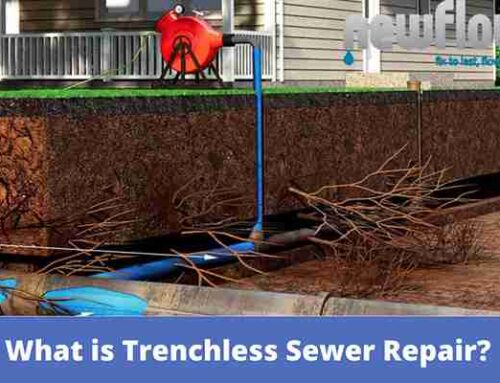
If your home is connected to a city sewer system, a clog or damage in the main sewer line can also cause bubbling toilets. Tree roots, collapsed pipes, or grease buildup are common culprits. In some cases, heavy rain can overload the sewer system and create backflow. When the line cannot handle the pressure, air escapes through the toilet. Sewer line issues are more complex and usually require professional tools like sewer cameras to diagnose properly.
How to Diagnose the Problem at Home
Before calling in a plumber, you can do some simple checks to narrow down the issue. Start by flushing the toilet while running the shower. If bubbling occurs right away, the problem is likely close to your bathroom. Next, check whether other drains in your home are slow or noisy. If multiple fixtures are affected, the issue may be in the main line. Finally, go outside and inspect your vent pipe for visible blockages such as leaves or nests. These basic steps can help you understand whether it’s a small fix or a bigger problem.
Temporary Fixes vs. Permanent Repairs
Some homeowners try quick fixes like plunging the toilet or pouring hot water down drains. While these methods may temporarily reduce bubbling, they rarely solve the root cause. For example, plunging might move a small clog further down, but it won’t clear the entire line. Using chemical drain cleaners can sometimes damage pipes and create more issues in the long run. Permanent solutions often involve professional cleaning, vent pipe clearing, or even replacing damaged sewer lines if necessary.
When to Call a Plumber
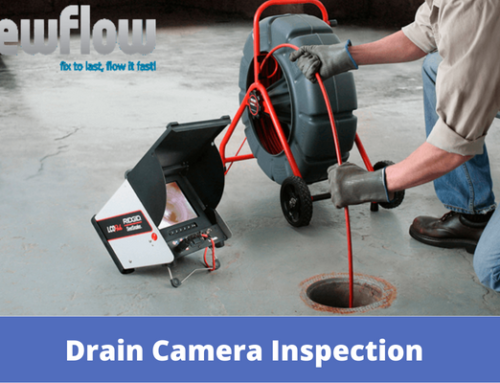
If you notice frequent bubbling, multiple slow drains, or sewage odors, it’s time to call a plumber. Professional plumbers have specialized tools such as augers, hydro jetting machines, and sewer cameras that can locate and clear clogs efficiently. Waiting too long can make the problem worse, leading to costly repairs and possible water damage. Early attention not only saves money but also prevents stress and inconvenience.
Preventing Future Toilet Bubbles
The best way to deal with toilet bubbling is to prevent it in the first place. Regularly cleaning drains, avoiding flushing non-flushable items, and scheduling maintenance inspections can go a long way. Installing drain strainers in showers helps keep hair and soap out of the pipes. If you live in an area with many trees, having your sewer line inspected every few years can prevent root intrusion problems. Good habits and preventative care are the most reliable ways to keep your plumbing system healthy.
Conclusion
Toilet bubbling while showering might seem like a small inconvenience, but it’s often a warning sign that your plumbing system isn’t working properly. From blocked vent pipes to clogged sewer lines, the causes vary, but they all require attention before they turn into bigger problems. By understanding the connection between your toilet and shower drains, diagnosing the issue early, and knowing when to seek professional help, you can protect your home from costly repairs and unpleasant surprises. Preventative care and timely action are the best ways to keep your bathroom running smoothly and your toilet quiet—even during your morning shower.
FAQs

Arman Grigoryan
Founder & President of New Flow Plumbing
Arman Grigoryan is the founder and president of New Flow Plumbing, proudly serving Los Angeles, Sacramento, and surrounding areas. With extensive experience in plumbing diagnostics, he leads a skilled team specializing in advanced sewer and drain camera inspections to quickly identify problems and deliver lasting solutions. Arman is dedicated to using the latest technology to provide reliable service, honest answers, and dependable results for every customer.