Do you want to know what happens when sewer and storm drains are combined into a single system? Well then, you’re in the right place! This article talks about the difference between a combined sewer system and a separate sewer system, along with their pros and cons.
What Happens When Sewer And Storm Water Drains Are Combined Into A Single System?
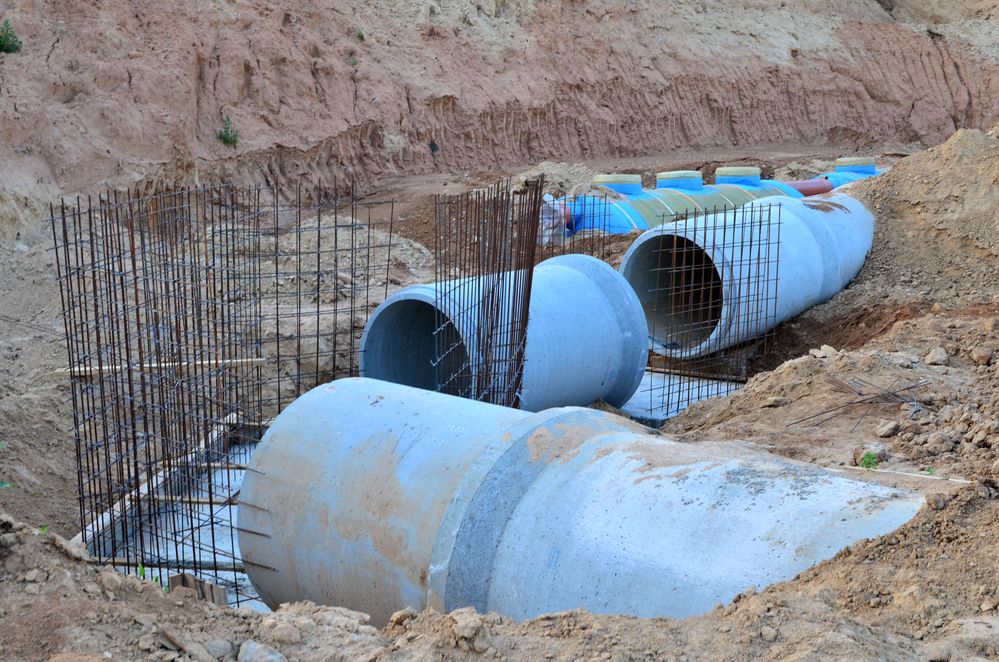
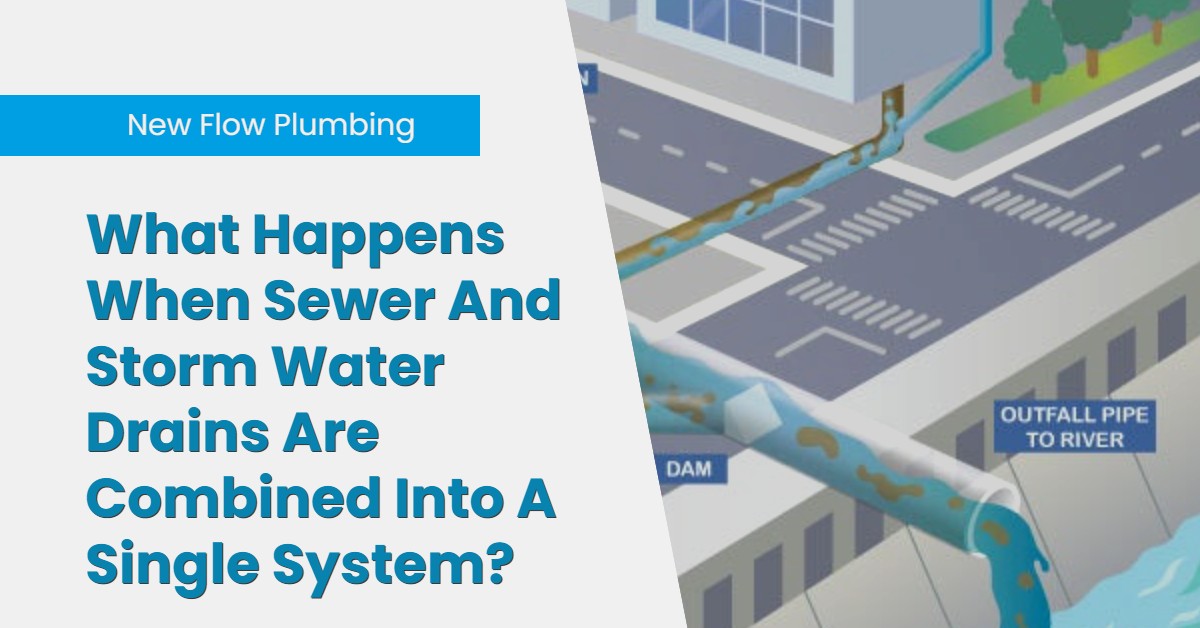
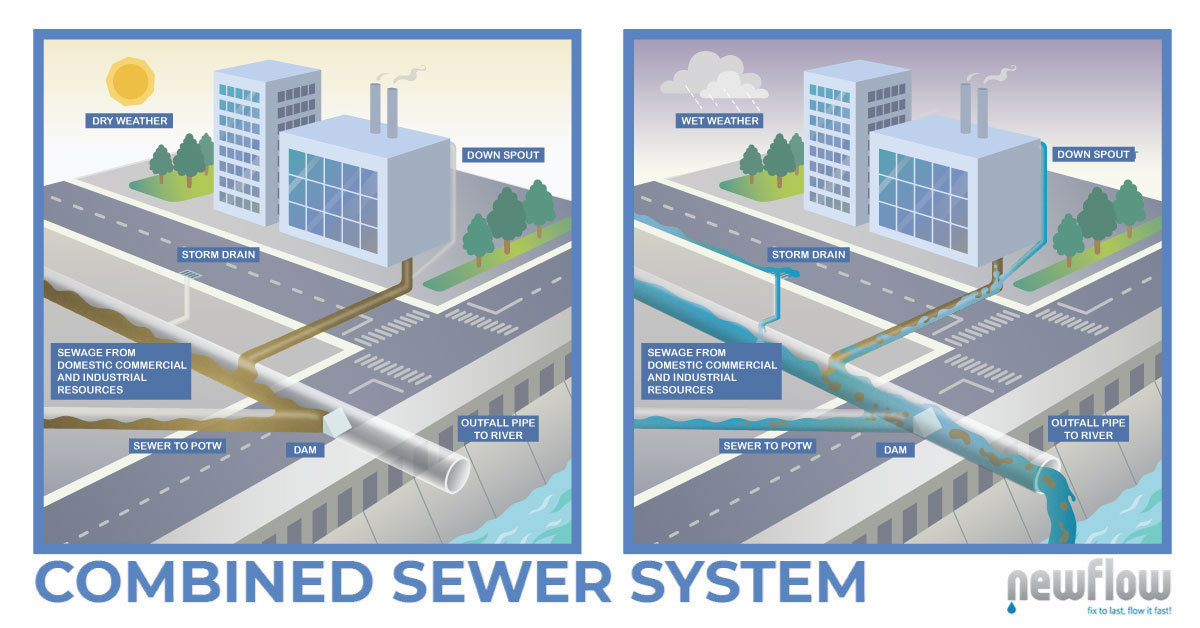
When a sewer and storm drain are combined into a single system, stormwater and raw sewage share the same pipe. That pipe then leads to a wastewater plant that treats both the waste and stormwater. Most cities don’t use combined systems anymore because they come with a lot of drawbacks. For example, if there is heavy rain, the system can overload and cause the sewer to overflow.
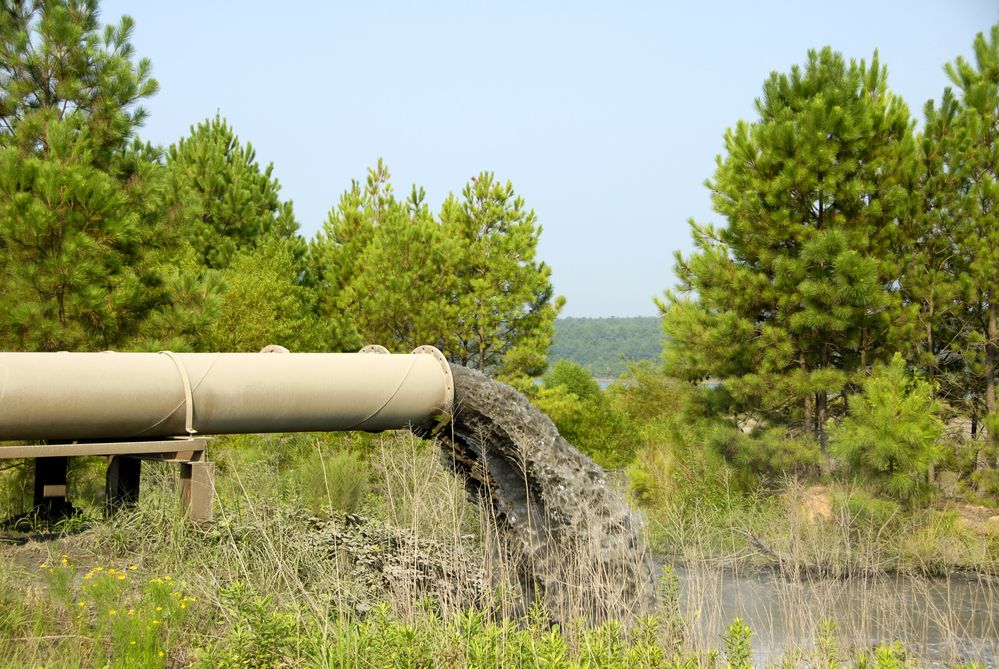
During heavy rain seasons, stormwater is usually dumped back into local streams or rivers. If sewage shares the same overflow pipe as stormwater, rivers, and lakes can become contaminated.
Combined Sewer System Pros
Unfortunately, combined sewer systems only have two pros. They’re long-lasting and take very little damage during sewer overflows. Other than that, combined sewer systems are not very effective.
Combined Sewer System Cons
Below are a few cons that come with using a combined sewer system.
- Overloads -During sewer overflow events, too much wastewater can reach sewage treatment plants and cause them to overload. If there is too much wastewater, the plant cannot adequately treat the sewage.
- Back-ups – During severe storms, combined sewer systems can cause wastewater and raw sewage to back up into buildings and homes.
- Runoff – During periods of heavy rain or massive amounts of snowmelt, wastewater can end up spilling into nearby lakes, rivers, streams, or even the ocean. This can lead to negative impacts on the environment.
- Debris – Combined sewer systems need to be cleaned regularly to prevent debris and other waste from building up. Otherwise, this debris can end up spilling into local bodies of water.
- Cleaning – Combined sewer systems are larger and more difficult to clean than regular sewer systems. Sanitation workers must manually enter the system to clean out blockages and waste build-up.
What Are Separate Sewer Systems?
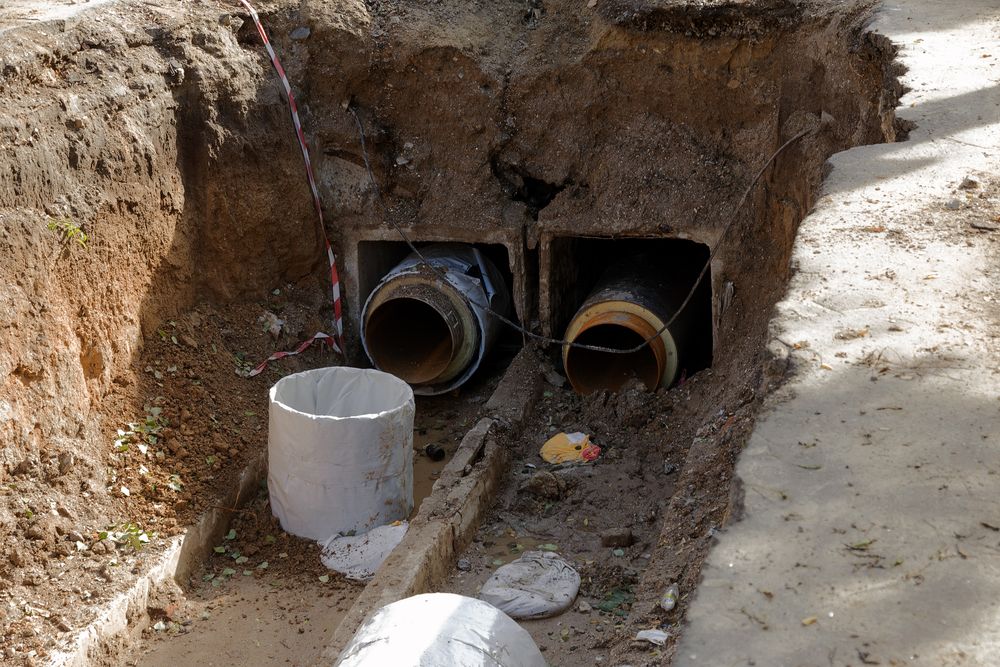
Separate sewer systems, also known as foul or covered sewers, transport waste, and stormwater separately. The pipes are separated into sanitary sewers, which carry waste, and storm sewers, which carry stormwater.
Sanitary Sewers
Sanitary sewers carry waste from homes and commercial buildings to wastewater treatment plants. These systems consist of pipes, manholes, and pumping stations. Their job is to clean wastewater and return it to local water sources, such as rivers and lakes. Treatment plants are only designed to treat wastewater. If you flush non-biodegradable items such as wipes or feminine products, you can block your own plumbing lines. You can even cause backups at the treatment plant.
Storm Sewers
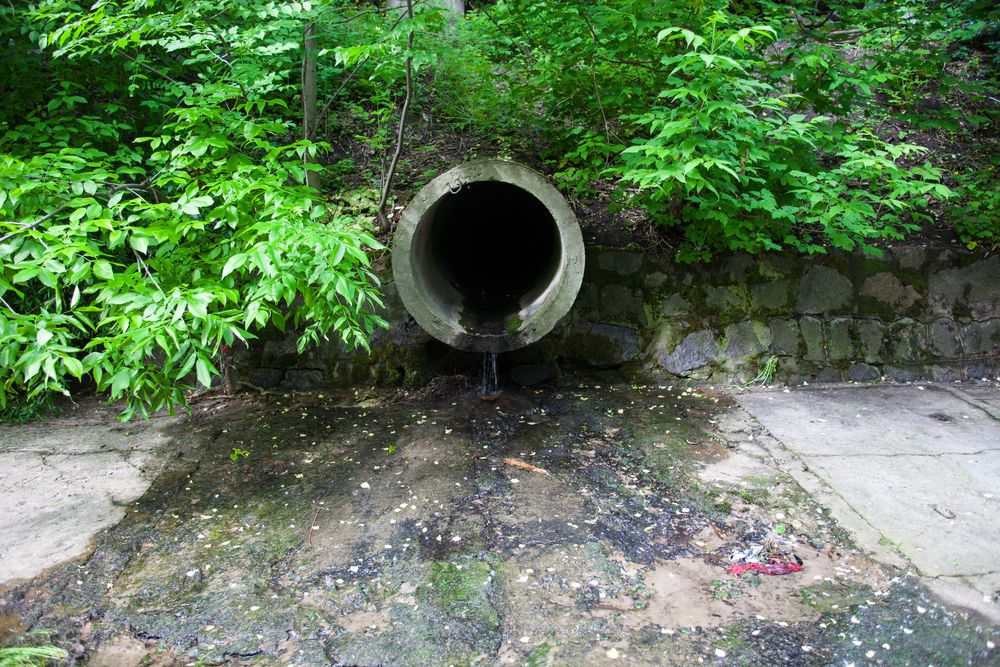
Storm sewers carry rainwater and melting snow to streams, rivers, and other bodies of water. Storm sewers consist of manholes, pipes, storm drain inlets, and open ditches. Storm sewers are not designed to carry wastewater. Never pour any hazardous waste down a storm drain, such as paint, oil, or solvents. This can cause serious damage to rivers, lakes, wetlands, and even the ocean. In turn, you could even poison wildlife.
Separate Sewer System Pros
These systems have a lot of advantages. Here are a few.
- Reduces flooding – Because stormwater and wastewater are separated, they have a harder time overflowing. This reduces the chances your street or basement will flood.
- Ecological – Wastewater won’t dump into rivers or lakes when the system overflows. This creates a lessened ecological footprint on nearby water sources.
- Cleaner – Wastewater carries a lot of pollutants and diseases. By separating the systems, you lower the chances of water-borne disease spreading into bodies of water.
- Performance – Since stormwater can be separated and dumped into rivers, less water overloads the treatment plants. This increases the amount of water that the plant can treat.
Separate Sewer Systems Cons
Below are some of the cons of using a separate sewer system.
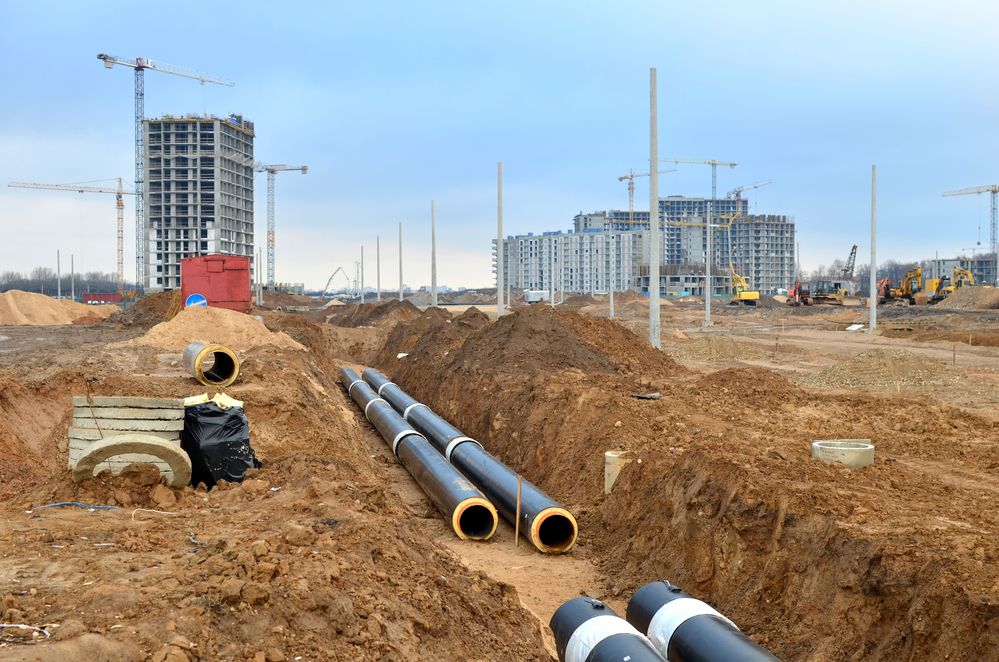
- More construction – Upgrading an older combined sewer system to a new separate sewer system requires a lot of work and construction.
- Higher risk – If you upgrade a combined sewer system into a separate sewer system, there is an increased risk of spreading pollution into nearby bodies of water during construction.
- Dilution – During the upgrade, there must be enough rainwater to help dilute any pollutants before being reintroduced into receiving bodies of water. Otherwise, the upgrade could have a serious impact on the environment.
- Weaker – Separate sewer systems are weaker than combined sewer systems. This makes them more likely to sustain damage and experience line breaks during heavy rains.
New Flow Plumbing
If you notice your plumbing is backing up, flooding, or draining slower than usual, there might be an issue with the city sewer line. Ask your neighbors if they are also experiencing strange plumbing issues. If the problem is isolated to your home only, you might have a sewer line clog. That’s where New Flow Plumbing comes in. We’ll get you started with a CCTV sewer camera inspection to determine where your problems come from. Then, we give you a free repair estimate, followed by available repair options.
FAQs

Arman Grigoryan
Founder & President of New Flow Plumbing
Arman Grigoryan is the founder and president of New Flow Plumbing, proudly serving Los Angeles, Sacramento, and surrounding areas. With extensive experience in plumbing diagnostics, he leads a skilled team specializing in advanced sewer and drain camera inspections to quickly identify problems and deliver lasting solutions. Arman is dedicated to using the latest technology to provide reliable service, honest answers, and dependable results for every customer.